
The Democratic Republic of the Congo produces more cobalt and more copper than almost anywhere else on earth, and getting that output out of the ground and onto a ship depends entirely on trucks. Truck rental in DRC has become one of the most consequential logistics decisions mining companies, contractors, and trading firms make, not just because of the scale of what needs moving, but because the country’s border crossings, road tolls, and freight economics have grown genuinely complicated in recent years. For any business operating in or around Katanga’s mining belt, or moving general freight elsewhere in the country, understanding how truck rental actually works in the DRC is essential before committing to a transport strategy.
This guide covers the realities of trucking in DRC’s mining corridor, why freight capacity has tightened, and what companies should look for in a rental partner capable of handling both the scale and the complexity involved.
Why Trucking Is the Backbone of DRC’s Mining Economy
Katanga, the province at the heart of DRC’s copper and cobalt production, moves the bulk of its mineral output by road. Trucks loaded with copper cathodes and cobalt concentrate travel from mine sites near Lubumbashi and Kolwezi toward export routes reaching ports as far away as Dar es Salaam or Durban, journeys that can stretch well over 1,600 kilometers and take anywhere from two weeks to over a month depending on the route and border conditions. Each truckload carries real value: a single load of copper cathodes can represent hundreds of thousands of dollars at current metal prices, which is part of why theft prevention and secure logistics partners matter as much as the trucks themselves.
This scale of demand has only intensified as new mining projects have come online. The startup of major copper operations in Lualaba province has pushed export volumes higher, and mining companies have reportedly offered trucking fees well above standard market rates simply to secure enough capacity to move their output on schedule. For any company entering this market, that’s an important signal: truck availability in DRC’s mining corridor isn’t guaranteed by default, and securing a reliable rental relationship in advance matters more here than in less pressured logistics markets.
Understanding the Challenges Shaping DRC Truck Rental
A few specific factors make trucking in DRC more complex than in most neighboring markets, and they directly shape how companies should approach rental decisions.
Border Congestion and Delays
The Kasumbalesa border crossing between DRC and Zambia is one of the busiest and most congested crossing points in the region, with queues of loaded trucks sometimes stretching tens of kilometers back from the border during periods of administrative disruption. These delays add real cost and time to any transport plan and make working with a rental partner experienced in navigating current border conditions particularly valuable.
Toll Booths and Informal Costs
Drivers moving freight through Katanga commonly report frequent tollbooths along key routes, along with informal costs tied to interactions with police and military checkpoints. A transporters’ guild in Upper Katanga has publicly called for consolidating the number of tollbooths along mining export routes and standardizing pricing according to distance traveled, reflecting how significant an issue this has become for the region’s trucking industry.
Rising Freight Rates and Capacity Pressure
As copper and cobalt export volumes have grown, some truckers have reportedly avoided DRC routes altogether given the high cost and complexity of crossing the border, creating a genuine capacity squeeze. This has pushed freight rates upward and made securing dependable trucking capacity a real competitive advantage for producers and traders who lock in reliable arrangements early rather than scrambling for available trucks during peak periods.
Evolving Infrastructure
Longer-term infrastructure investment is gradually reshaping the picture. According to Mining Weekly’s coverage of infrastructure challenges facing DRC’s mining sector, the new Lobito rail corridor connecting Katanga to Angola’s Lobito port is providing a more direct and efficient export route for copper and cobalt, which is expected to reduce logistical bottlenecks and lower costs over time. Even as rail capacity expands, however, road transport remains essential for moving materials to and from rail terminals, mine sites, and processing facilities, meaning truck rental will continue to play a central role in the region’s logistics chain for the foreseeable future.
Types of Truck Rental Needed in DRC
Businesses operating in and around DRC’s mining sector, along with general commercial operators elsewhere in the country, typically require one of several distinct truck categories.
Heavy Haulage Trucks for Mineral Export
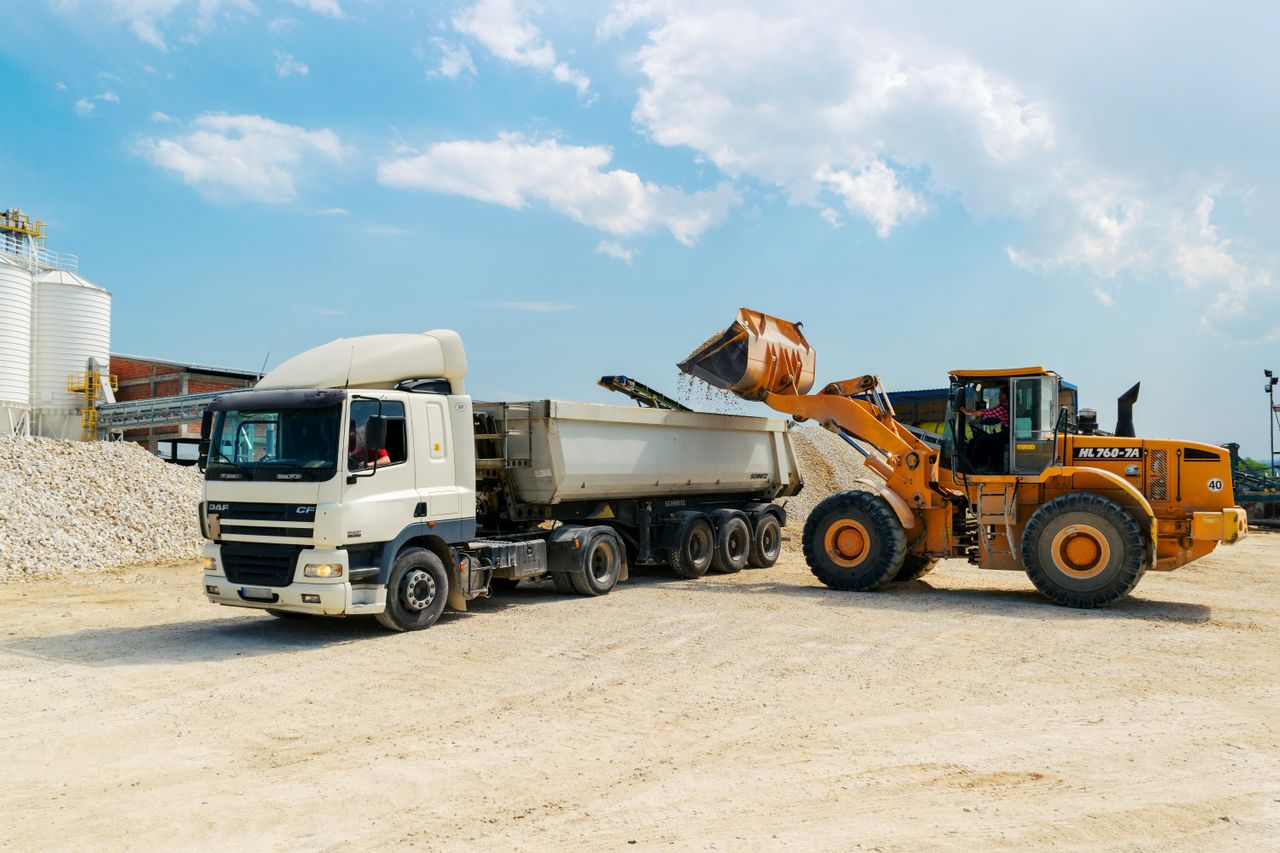
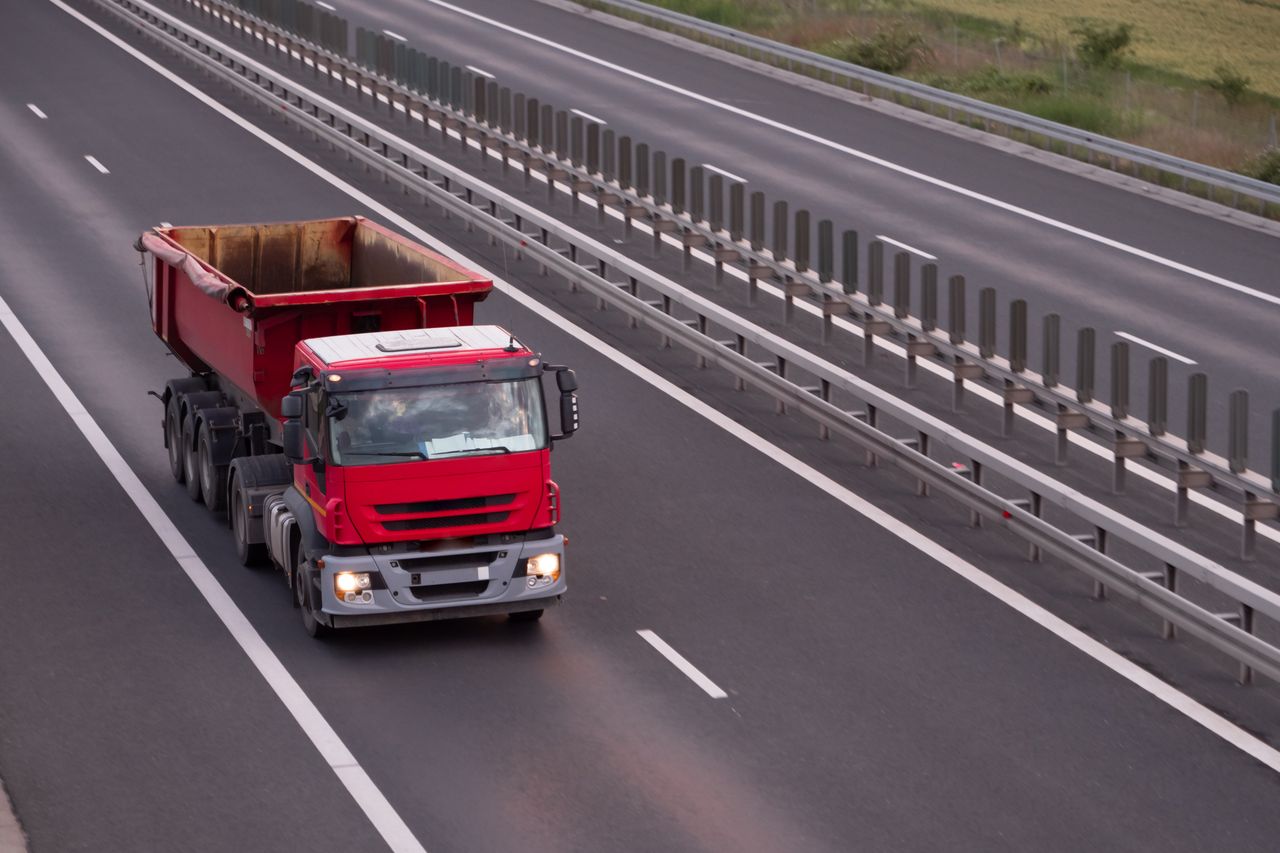
Mining companies and logistics contractors moving copper cathodes and cobalt concentrate need heavy-duty semi-trailer trucks capable of handling long-distance, cross-border journeys under demanding conditions. Given the value of each load and the complexity of the export route, security-conscious loading practices and experienced drivers are just as important as the vehicles themselves.
Trucks for Mine Site Supply and Support
Beyond exporting finished material, mining operations also need regular truck capacity to bring in equipment, fuel, and industrial supplies to site, often routed through alternative corridors such as the Dar es Salaam route into Katanga, which some operators use specifically to avoid the more congested southern crossings.
Medium-Duty Trucks for Construction and General Freight
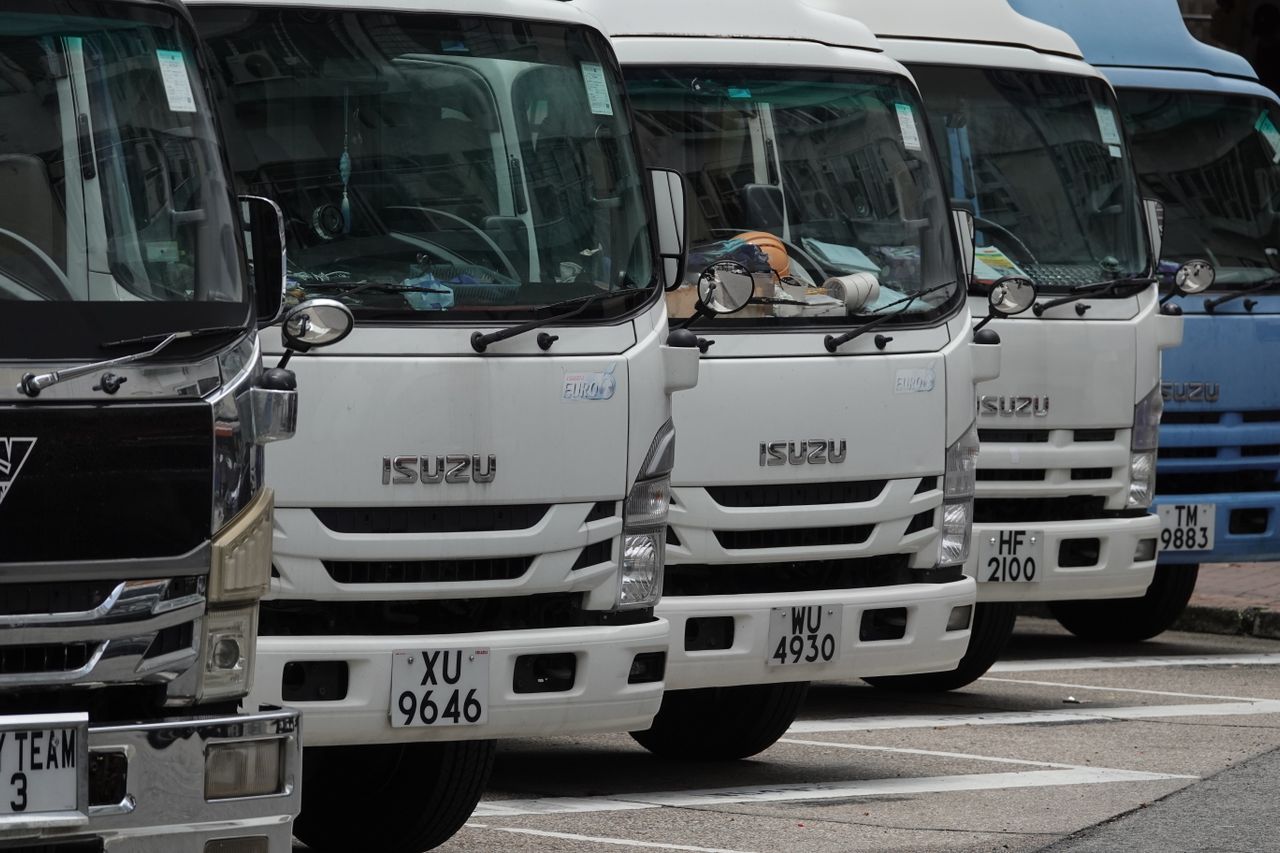
Companies supporting mining operations indirectly, or moving general commercial freight within Kinshasa, Lubumbashi, or other regional centers, typically need medium-duty trucks suited to more routine, shorter-haul logistics rather than long cross-border mineral transport.
Rugged Vehicles for Field and Remote Access
For any operation extending beyond DRC’s primary mining and commercial corridors, trucks built to handle the country’s variable and often poorly maintained road network are essential, along with drivers who understand seasonal and regional conditions.
What to Look for in a Truck Rental Partner in DRC
Given how much complexity surrounds trucking in DRC, a handful of factors matter more here than in most other African markets.
Current Border and Route Knowledge
A rental partner with up-to-date knowledge of border conditions at Kasumbalesa and alternative routes, such as the Dar es Salaam corridor, can meaningfully reduce delays and help plan around periods of heavy congestion rather than reacting to them after the fact.
Established Relationships and Reliable Capacity
Given the reported truck shortages affecting DRC’s export routes during periods of high demand, a rental partner with established relationships and dependable fleet capacity offers real protection against the kind of capacity squeezes that have driven freight rates sharply higher for less-prepared shippers.
Security-Conscious Operations
Given the value of copper and cobalt shipments and documented theft risks along export routes, a rental partner with secure loading practices, vetted drivers, and clear protocols for high-value cargo is essential for any company moving finished mineral products.
Transparent Cost Structures
Because tolls, informal costs, and border delays can all add unpredictable expense to a trucking arrangement, a rental partner who provides clear, upfront cost expectations helps companies budget accurately rather than facing unexpected charges mid-route.
Coordinated Support for Companies Entering the Market
Companies establishing new mining support, logistics, or trading operations in the DRC often need business registration, immigration support for foreign technical staff, and reliable transport handled together, rather than as separate vendor relationships during a critical early operating period.
Why Work With Live and Work Africa for Truck Rental in DRC
Live and Work Africa provides commercial truck rental services for companies operating in mining support, logistics, construction, and general freight across the DRC, alongside our core company registration and immigration services. This means clients establishing a new DRC entity, sponsoring foreign technical staff, and needing reliable haulage capacity through Katanga’s mining corridor or elsewhere in the country can manage all three through a single coordinated partner, rather than juggling separate vendors while trying to get operations running.
Our fleet includes heavy-duty trucks suited to mineral export logistics, medium-duty vehicles for construction and general freight support, and drivers with current, ground-level knowledge of DRC’s key routes and border conditions.
Frequently Asked Questions
Why is trucking capacity so tight in DRC’s mining corridor?
Rising copper and cobalt export volumes, combined with high costs and delays at border crossings like Kasumbalesa, have led some truckers to avoid DRC routes, creating a genuine capacity squeeze during periods of peak demand.
What is the Kasumbalesa border crossing, and why does it matter for truck rental?
Kasumbalesa is the main border crossing between DRC’s Katanga province and Zambia, and it’s known for significant congestion and delays, making border knowledge an important factor when choosing a truck rental partner.
Are there alternative routes to avoid DRC’s most congested border crossings?
Yes. Some operators route mining equipment and supplies through the Dar es Salaam to Lubumbashi corridor via Tanzania and Zambia as an alternative to the more heavily trafficked southern routes.
Will the Lobito rail corridor reduce the need for truck rental in DRC?
The Lobito corridor is expected to ease some logistical bottlenecks for copper and cobalt exports over time, but road transport will remain essential for moving materials to and from rail terminals, mine sites, and processing facilities.
What should I prioritize when choosing a truck rental partner in DRC?
Current route and border knowledge, reliable fleet capacity, security-conscious handling of high-value cargo, and transparent cost structures are all more important in DRC than in less complex logistics markets.
Ready to Move Your Cargo Through DRC’s Mining Corridor?
Navigating DRC’s border congestion, freight capacity pressures, and demanding routes is far easier with a rental partner who understands the country’s specific logistics realities. Live and Work Africa’s truck rental services are built for mining, logistics, and industrial companies operating across the DRC. Contact us today to discuss a fleet solution for your project.