
Scaling transport capacity quickly, without tying up capital in owned assets, is one of the most persistent operational challenges for companies working across Africa’s mining, construction, and logistics sectors, and commercial truck rentals have become the standard way to solve it. Whether you’re moving equipment to a mining concession in the DRC, supplying a construction site in Angola, or managing fluctuating freight volumes across multiple West African markets, the decision between renting, leasing, or buying trucks shapes both your cash flow and your ability to respond quickly when project demands change.
This guide breaks down how commercial truck rental actually works in the African business context, what to look for in a rental partner, and how companies operating across markets like the DRC, Guinea, Liberia, and Angola can structure a fleet solution that scales with their operations rather than constraining them.
Why Commercial Truck Rental Has Become Standard Practice in Africa
Africa’s rental equipment market has grown substantially over the past decade, driven largely by demand from mining and construction. Established rental providers on the continent report that the majority of their rental revenue comes from these two sectors, and one advantage of operating across diverse African markets is that a downturn in one commodity, such as diamonds, doesn’t necessarily affect demand tied to another, such as gold or copper, which keeps rental and service activity relatively steady even when individual mining segments slow down.
This diversification effect matters for companies deciding how to structure their own fleet needs. A mining operation with a multi-year concession might reasonably consider ownership, but a construction contractor moving between projects, or a logistics company managing seasonal freight spikes, is far better served by a rental or leasing model that can flex up or down without leaving expensive assets idle.
Rent, Lease, or Own: Structuring Your Truck Fleet Decision
Choosing the right ownership model for commercial trucks is one of the most consequential financial decisions a company makes when scaling operations in Africa.
Short-Term Rental
Short-term truck rental suits project-based work, seasonal demand spikes, or urgent capacity gaps where a company needs a vehicle on-site quickly without a long-term commitment. This model typically carries the highest per-day cost but offers maximum flexibility, and rental fleets covering everything from large trucks to smaller support equipment are commonly available with flexible terms starting from just a few months, alongside a mix of new and used vehicle options depending on budget and urgency.
Medium to Long-Term Leasing
For companies with predictable, ongoing transport needs, structured leasing arrangements offer a meaningful financial advantage over ownership. In some African markets, manufacturers and dealers now offer rental programs specifically structured so that qualifying businesses can treat the vehicle as a monthly operating expense rather than a balance-sheet asset, which frees up capital that would otherwise be locked into a depreciating vehicle purchase. These programs are increasingly built around straightforward eligibility criteria focused on a business’s contracts and revenue streams rather than traditional credit history alone, reflecting how commercial vehicle finance in Africa has adapted to serve growing companies without long operating track records.
Direct Ownership
Outright ownership remains the right choice for companies with very long operational horizons and the internal capacity to manage maintenance, driver employment, insurance, and depreciation directly. For most companies entering a new African market or scaling a project-based operation, however, ownership carries more administrative burden and capital risk than the flexibility of a rental or lease arrangement typically justifies, particularly in the early years of market entry.
What a Commercial Truck Rental Program Should Include
A genuine commercial truck rental partner does more than hand over a set of keys. A well-structured program typically includes several components working together.
Vehicle Range and Availability
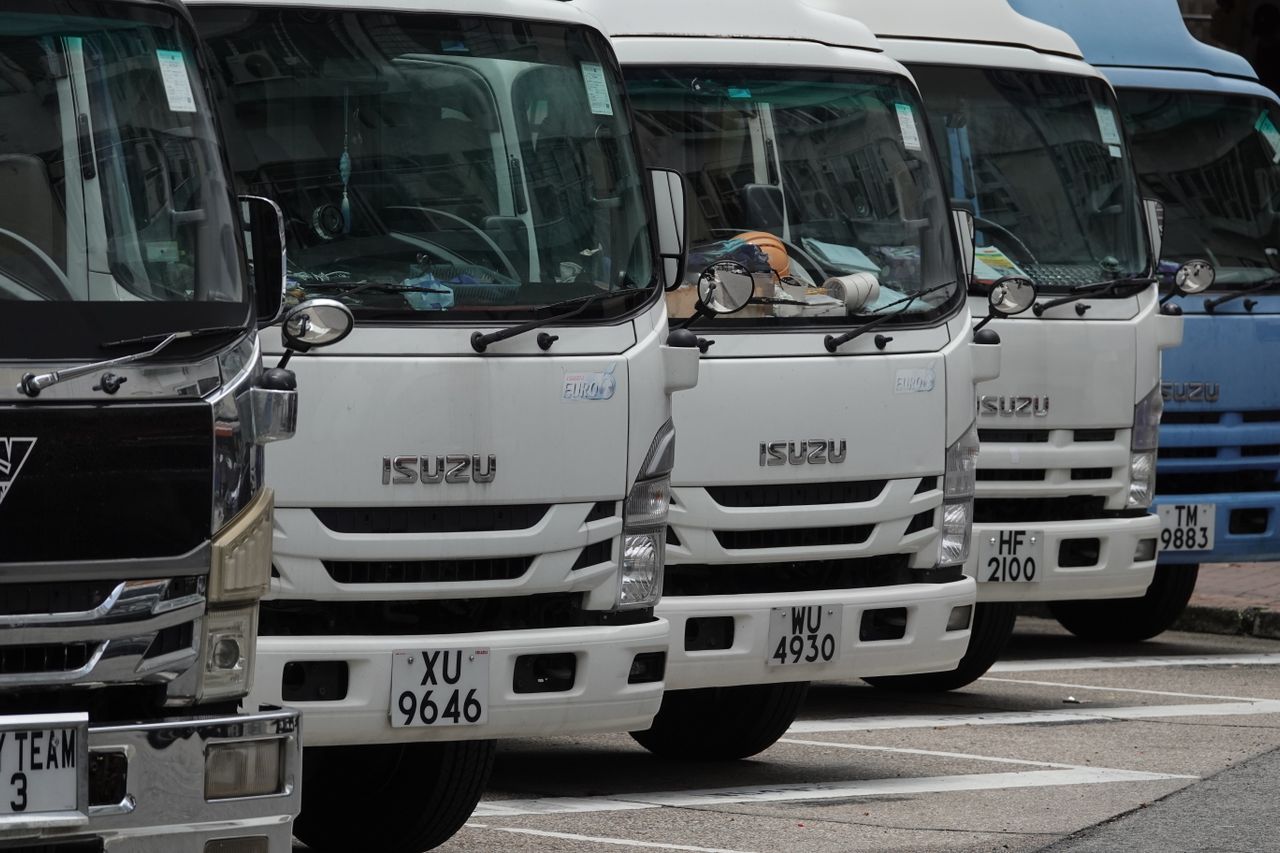
Companies should expect access to a range of truck classes suited to different operational needs, from heavy haulage trucks for mining and bulk material transport to medium-duty trucks for construction site logistics and smaller support vehicles for general freight movement. Matching vehicle class to actual project requirements, rather than defaulting to the largest available option, keeps rental costs proportionate to genuine need.
Maintenance and Technical Support
Ongoing maintenance, spare parts availability, and access to a technical team for repairs are essential parts of any serious rental arrangement, particularly in regions where breakdowns can significantly delay project timelines if support isn’t readily available. Providers serving industrial mining, construction, and cement sector clients in Africa typically bundle equipment maintenance and spare parts support directly into their rental offering, recognizing that uptime, not just vehicle availability, is what clients are actually paying for.
Driver Training and Professional Operators
For companies that need trucks operated by trained professionals rather than internal staff, driver training and provision of experienced operators should be part of the conversation with a rental provider from the outset. This is particularly relevant for heavy equipment and specialized truck classes where operator skill directly affects both safety and equipment longevity.
Flexible Contract Terms
Because project timelines shift, a rental partner who can adjust contract length, vehicle count, or truck class as circumstances change is significantly more valuable than one offering only rigid, long-term commitments. Providers who structure rental terms around a client’s actual, sometimes fluctuating, demand tend to deliver better long-term value than fixed-term arrangements that don’t flex with real project needs.
Choosing the Right Truck for Your Sector
Different industries operating across Africa have distinct commercial truck needs, and matching vehicle type to sector reduces both cost and operational risk.
Mining and Extraction
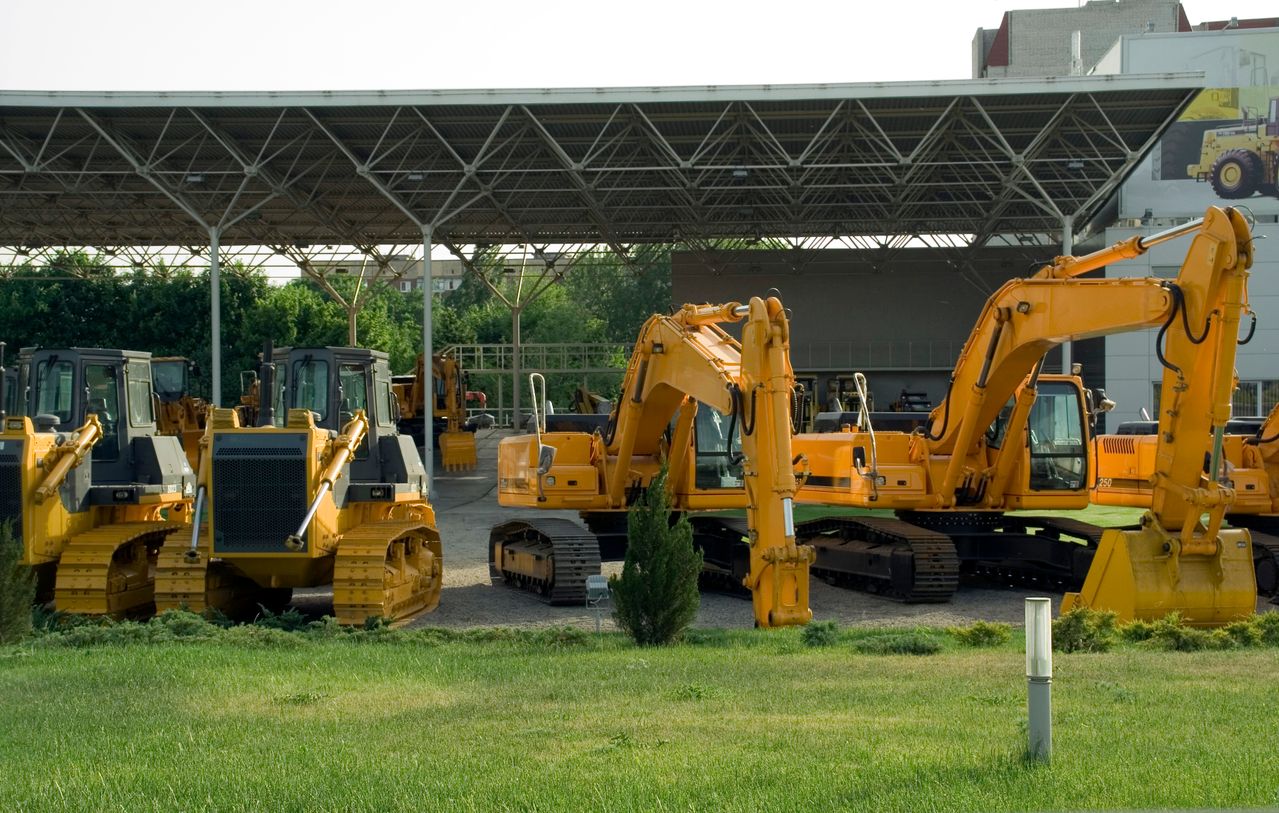
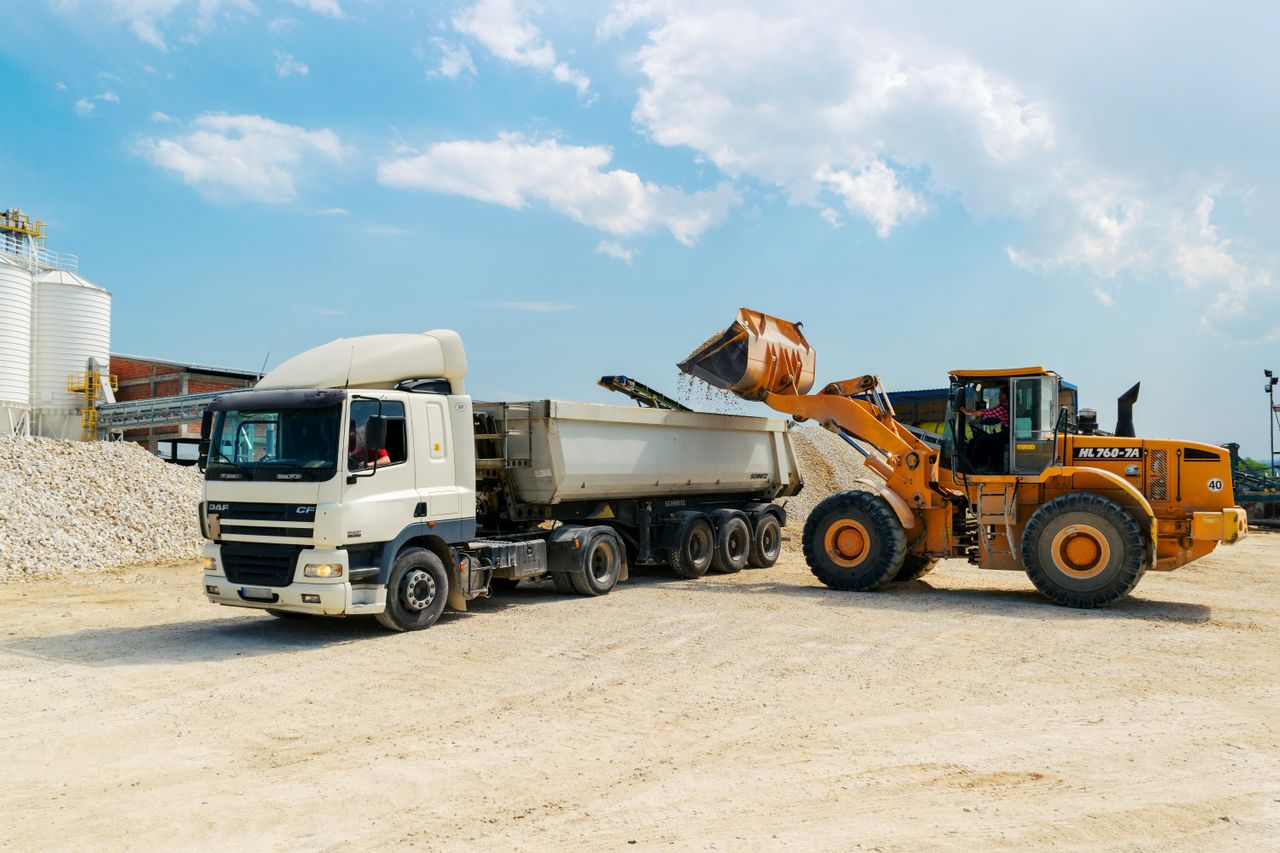
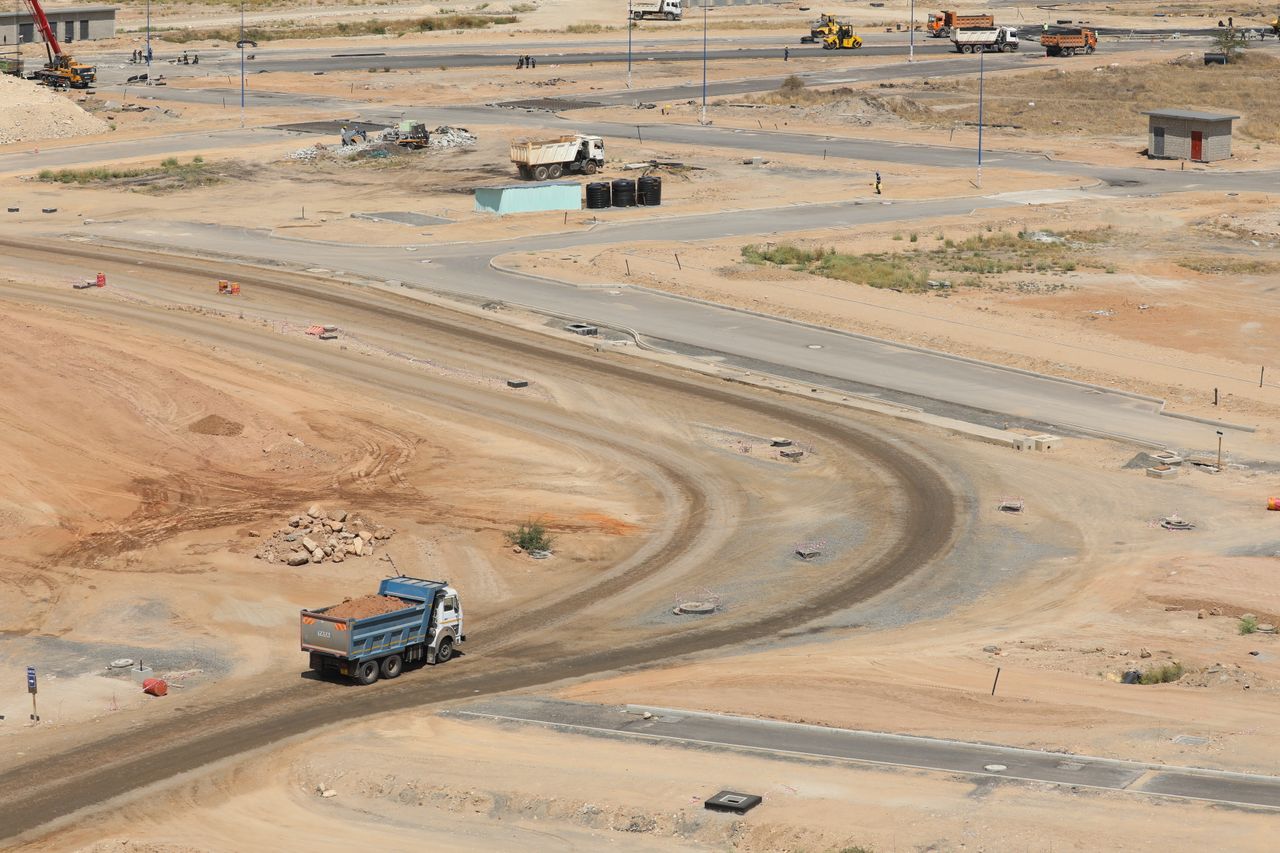
Mining operations typically require heavy-duty haulage trucks capable of handling rough terrain, bulk material transport, and sustained use across multi-year concessions. Given the capital intensity of mining projects, medium to long-term leasing arrangements often make more financial sense than short-term rental for core haulage capacity.
Construction and Infrastructure
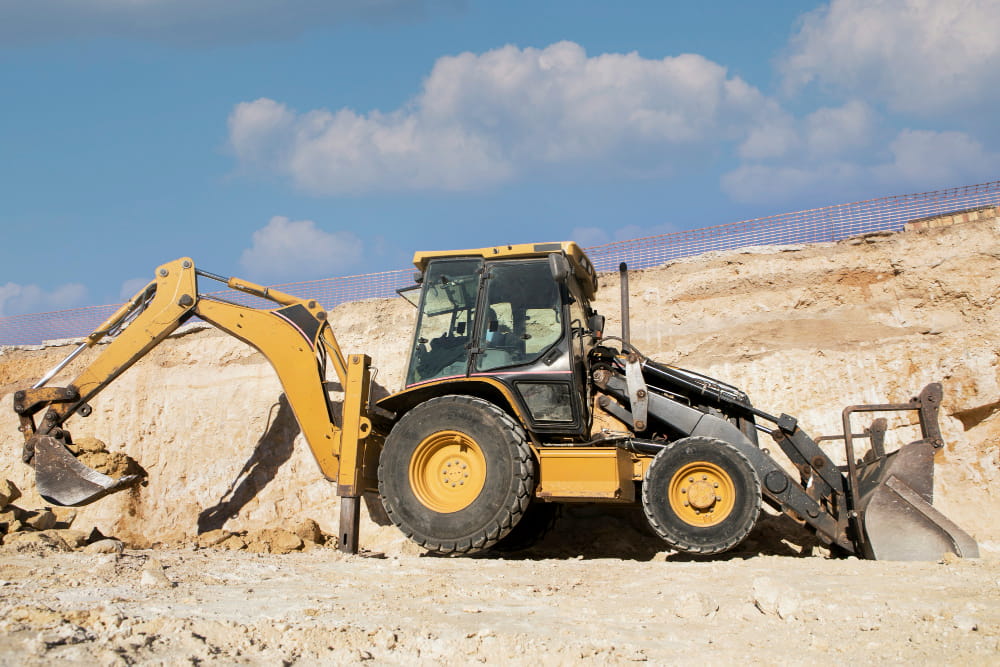
Construction projects generally need a mix of medium-duty trucks for material delivery and specialized vehicles depending on the specific build, and because construction projects are inherently time-bound, short-term rental or flexible leasing tends to align better with typical project cycles than direct ownership.
Logistics and Freight
Companies managing general freight and distribution across multiple African markets benefit from a rental partner capable of supporting multi-country operations consistently, since coordinating separate local vendors in each market adds administrative overhead that a single regional partner can eliminate.
Agriculture and Commodity Transport
Seasonal agricultural operations, particularly around harvest periods, often see sharp, temporary spikes in transport need that make short-term rental a far more sensible choice than maintaining an underused fleet for the rest of the year.
Common Challenges When Renting Commercial Trucks in Africa
Even with rental infrastructure improving across the continent, companies commonly encounter a few recurring issues. Vehicle availability can tighten during peak demand periods in mining and construction hubs, making advance booking important for time-sensitive projects. Cross-border logistics, for companies operating in more than one country, often require separate documentation and compliance steps that aren’t part of a standard domestic rental agreement. And smaller or newer rental providers sometimes struggle to match maintenance and parts support to the scale a serious industrial client actually needs, which makes vetting a provider’s technical capacity, not just its vehicle count, an important part of the selection process.
Why Work With Live and Work Africa for Commercial Truck Rentals
Live and Work Africa provides commercial truck rental and leasing services across our markets in the DRC, Guinea, Liberia, and Angola, alongside our core company registration and immigration services. This integration gives clients a practical advantage: when your company is setting up a new legal entity, bringing in foreign technical staff, and needing haulage capacity for a mining or construction project all at once, having one partner coordinate all three removes a significant layer of complexity that would otherwise fall on your internal operations team.
Our fleet includes heavy-duty haulage trucks for mining and bulk transport, medium-duty vehicles for construction and logistics support, and flexible rental terms structured around actual project timelines rather than rigid long-term contracts, all backed by local technical support across the markets we serve.
Frequently Asked Questions
Should my company rent, lease, or own commercial trucks in Africa?
Short-term rental suits project-based or fluctuating needs, medium to long-term leasing generally offers better value for predictable ongoing operations, and direct ownership makes sense mainly for companies with very long operational horizons and internal fleet management capacity.
What industries most commonly rent commercial trucks in Africa?
Mining and construction represent the majority of commercial truck rental demand across the continent, though logistics, freight, and seasonal agricultural operations also rely heavily on flexible rental arrangements.
Does commercial truck rental include maintenance and driver support?
A well-structured rental program typically includes maintenance, spare parts access, and can include trained professional operators, though the specifics vary by provider and should be confirmed before signing a rental agreement.
Can one provider manage commercial truck rentals across multiple African countries?
Yes, and it’s generally advisable for companies operating in more than one market, since a single provider with genuine multi-market presence offers more consistent service and reduces the administrative burden of coordinating separate local vendors.
Why do rental terms matter more than vehicle count when choosing a provider?
Flexible contract terms allow a company to adjust vehicle numbers or truck class as project needs shift, which delivers better long-term value than a rigid long-term commitment that doesn’t match actual, often fluctuating, demand.
Ready to Scale Your Truck Fleet Across Africa?
Managing commercial truck rentals across multiple African markets is far simpler with one coordinated partner handling vehicles, maintenance, and local logistics. Live and Work Africa’s commercial truck rental services are built for mining, construction, and logistics companies operating across the DRC, Guinea, Liberia, and Angola. Contact us today to discuss a fleet solution for your project.