

Liberia has quietly become one of West Africa’s more accessible entry points for foreign business. Its dollarized economy, English-language legal system, and reform-driven Liberia Business Registry (LBR) have shortened what used to be a months-long incorporation process into a matter of weeks. For entrepreneurs eyeing maritime trade, agribusiness, energy, logistics, or infrastructure opportunities in Monrovia and beyond, understanding exactly how company registration works, what it costs, and where the process typically stalls is the difference between a smooth market entry and a stalled application sitting in a government queue.
This guide walks through everything a foreign investor needs to know about registering a Company in Liberia in 2026, from choosing the right legal structure to filing with the LBR and securing a Tax Identification Number (TIN) from the Liberia Revenue Authority (LRA).
Why Liberia Is Attracting Foreign Business Investment
Liberia’s location on the Atlantic coast gives it direct access to regional shipping lanes through the Port of Monrovia, one of West Africa’s deep-water ports. That alone makes it attractive for import/export, freight, and logistics companies looking to serve landlocked neighbors like Guinea and parts of Côte d’Ivoire.
Beyond trade, the country’s investment code permits full foreign ownership in most sectors. There’s no requirement to bring on a local shareholder or partner to hold equity, which removes a common friction point investors face elsewhere in the region. Combined with a growing agribusiness sector, renewable energy interest, and infrastructure rebuilding underway across Monrovia, the commercial case for setting up a legal entity is strong even if the bureaucratic process still takes some navigating.
Business Structures Available for Company Registration in Liberia
Before filing anything with the LBR, you need to decide which legal structure fits your operation. Liberia recognizes three primary entity types for foreign investors.
Limited Liability Company (LLC)
The LLC is the most common structure for small and mid-sized businesses, including foreign subsidiaries testing the Liberian market. It limits shareholder liability to their capital contribution and allows a flexible management structure, which makes it a practical starting point for most new entrants.
Corporation (Inc.)
A Corporation suits larger, capital-intensive operations, particularly businesses planning to issue shares or bring in multiple investors down the line. It carries more formal governance requirements than an LLC but offers a structure that scales more easily with outside capital.
Foreign Branch Office
If you already operate a company overseas and simply need a legal presence in Liberia to execute a specific contract or long-term project, a branch office extends your existing entity into the country rather than creating a new one. This route is common for construction, engineering, and logistics firms working on fixed-term contracts.
Step-by-Step Process for Company Registration in Liberia
Step 1: Reserve Your Company Name
Every application starts with a name search and reservation through the LBR, either online or at the registry’s helpdesk. It’s worth submitting two or three alternative names, since a conflicting or overly similar name is one of the most common reasons applications get delayed. Once approved, a reserved name typically holds for a limited window while you complete the rest of your filing.
Step 2: Prepare Your Incorporation Documents
This is where most delays actually happen, not at the registry counter but in the document preparation stage. You’ll need drafted Articles of Incorporation defining your share structure and business scope, identification documents for all shareholders and directors, and a registered local office address for service of process.
Step 3: File with the Liberia Business Registry (LBR)
With your name reserved and documents drafted, the application package goes to the LBR under the Ministry of Commerce and Industry. The registry reviews the submission, verifies the documentation, and processes the incorporation. According to the U.S. government’s own commercial guide to the country, the entire registration process generally takes one to three weeks once a complete application package has been submitted, which lines up with what most foreign investors should budget for in practice.
Step 4: Obtain Your Tax Identification Number (TIN)
Once incorporation clears, the LBR requests a TIN on your behalf from the tax authority, and this number becomes essential for every downstream compliance step: filing taxes, clearing customs, and issuing local invoices. The TIN itself is obtained free of charge through the Ministry of Finance and Development Planning, though the registration fees tied to your entity type still apply separately.
Step 5: Open a Corporate Bank Account
With your incorporation certificate and TIN in hand, you can move on to opening an operational bank account with a commercial bank in Monrovia. This step is often where foreign-owned entities hit friction, since banks apply their own due diligence requirements on top of the government paperwork, particularly around beneficial ownership disclosure.
Step 6: Secure Sector-Specific Permits
Registration with the LBR gets you a legal entity, but it doesn’t automatically clear you to operate. Depending on your industry, you’ll likely need sign-off from a sector ministry before beginning commercial activity. Agriculture, mining, land use, health, and transport businesses each answer to a different regulatory body, so it’s worth confirming which approvals apply to your sector before you assume registration alone is enough.
Documents Required for Company Registration in Liberia
While specific requirements vary slightly by entity type, most applications need:
- Valid passport copies for all shareholders and directors
- Proof of residential address for corporate officers
- Two to three proposed trade names for clearance
- Drafted Articles of Incorporation outlining share capital and business scope
- Proof of capital deposit where statutory minimums apply
- A registered local office address in Liberia
Missing or inconsistent documentation, especially mismatched shareholder names across passports and incorporation papers, is the single most common cause of processing delays.
Costs and Timeline for Registering a Company in Liberia
Registration fees in Liberia scale with entity type and share capital, so there’s no flat number that applies universally. What is consistent is the timeline: a properly prepared application, with no name conflicts and complete documentation, typically clears the LBR within two to three weeks. Applications with incomplete paperwork or unclear beneficial ownership structures can stretch well beyond that, sometimes by months, which is why document preparation deserves as much attention as the filing itself.
Common Mistakes to Avoid When Registering a Business in Liberia
A few recurring issues trip up first-time applicants:
- Submitting only one company name. A single name choice with no backups means starting the reservation process over if it’s rejected.
- Underestimating sector approvals. Assuming LBR registration alone authorizes you to trade, when many industries require a separate ministry sign-off.
- Inconsistent shareholder documentation. Passport details, proof of address, and incorporation filings that don’t match line for line.
- Skipping local representation. Trying to manage filings remotely without a registered agent on the ground to respond to registry queries in real time.
Key Benefits of Registering a Company in Liberia
Despite the paperwork, the underlying advantages are real. Foreign investors retain full equity ownership without a mandatory local partner. English is the official language of business, which simplifies contract drafting for international boards, and Monrovia’s port infrastructure gives registered companies a genuine trade advantage over landlocked competitors in the region. For sectors like maritime logistics, agribusiness, and infrastructure development, that combination of ownership flexibility and geographic positioning is hard to match elsewhere in West Africa.
Why Work With Live and Work Africa for Company Registration in Liberia
Handling incorporation from outside the country, without a team on the ground in Monrovia, is where most delays creep in. Live and Work Africa manages the entire process directly with the LBR and works alongside the process to secure your TIN and get your corporate bank account moving, so you’re not chasing separate government offices on your own.
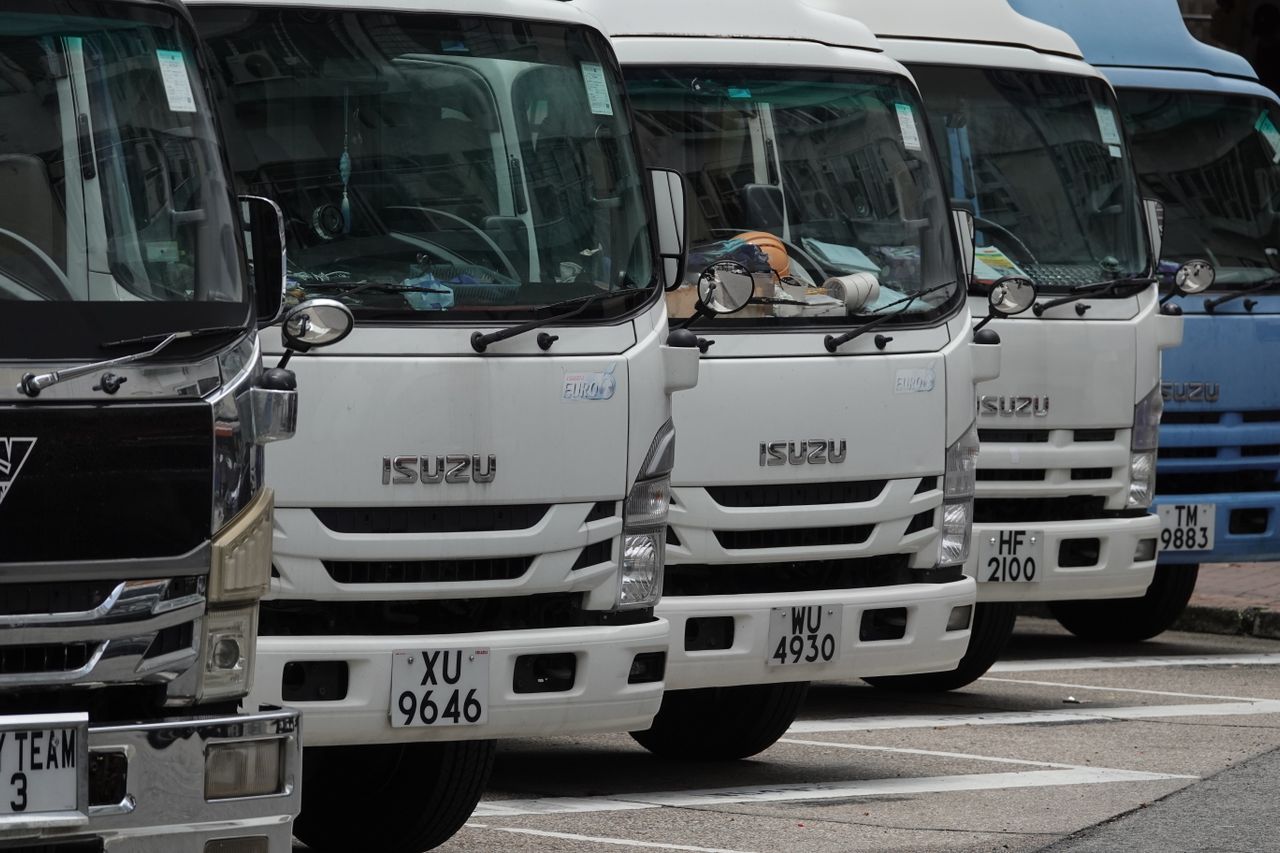
Beyond the legal filing, having a registered entity is only the first step toward actually operating. That’s where an integrated setup matters: once your company is incorporated, you may need executive vehicles for site visits, transport trucks for logistics, or heavy machinery for construction and mining-adjacent work. Live and Work Africa connects newly registered businesses directly to its fleet and equipment network across Guinea, Liberia, and the DRC, so your legal entity and your operational capacity come online together rather than in separate, disconnected phases.
Frequently Asked Questions
How long does company registration take in Liberia?
Most applications clear the Liberia Business Registry within two to three weeks, provided the documentation is complete and there are no name conflicts. Incomplete filings or unclear ownership structures can extend this timeline significantly.
Can a foreign national own 100% of a company in Liberia?
Yes. Liberia’s investment framework allows full foreign equity ownership in most sectors, with no requirement to bring on a local shareholder or partner.
Do I need to travel to Monrovia to register my company?
In most cases, no. Registration can be handled remotely through a registered agent or Power of Attorney, which is how most foreign investors complete the process without an initial site visit.
What’s the difference between an LLC and a Corporation in Liberia?
An LLC suits smaller operations and foreign subsidiaries with a simpler governance structure, while a Corporation fits larger, capital-intensive businesses planning to issue shares or bring in multiple investors.
Does LBR registration alone let me start operating?
Not always. Many sectors, including agriculture, mining, health, and transport, require separate approval from a relevant government ministry before commercial activity can begin, even after incorporation is complete.
Ready to Register Your Company in Liberia?
Getting a legal entity approved is only the starting line. Live and Work Africa handles the full incorporation process with the Liberia Business Registry, secures your TIN, and gets your corporate banking sorted, so you can move straight from paperwork to actual operations. Request a consultation with our Liberia market entry team and find out exactly what your registration timeline and requirements look like.