
Scaling an enterprise in Liberia means solving two challenges that too many foreign companies still treat as separate: getting legally registered in Monrovia, and getting the vehicles, trucks, and heavy machinery needed to actually move goods through the Freeport of Monrovia, out to agribusiness operations, or across energy and infrastructure project sites. Liberia fleet solutions that combine business registration with corporate fleet leasing and heavy transport from the outset solve a gap that catches many investors off guard: a legally registered company with no operational capacity to move people, cargo, or equipment.
This guide explains why an integrated approach to business setup and fleet logistics matters specifically in Liberia’s context, tailored to maritime trade, agribusiness, energy, and infrastructure, and what a genuinely comprehensive fleet and business solution should include.
Why Liberia’s Position in Maritime Trade Demands an Integrated Setup
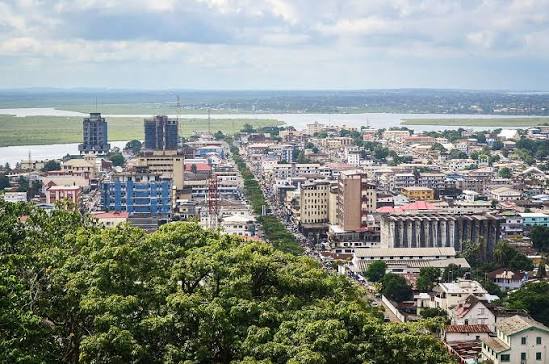
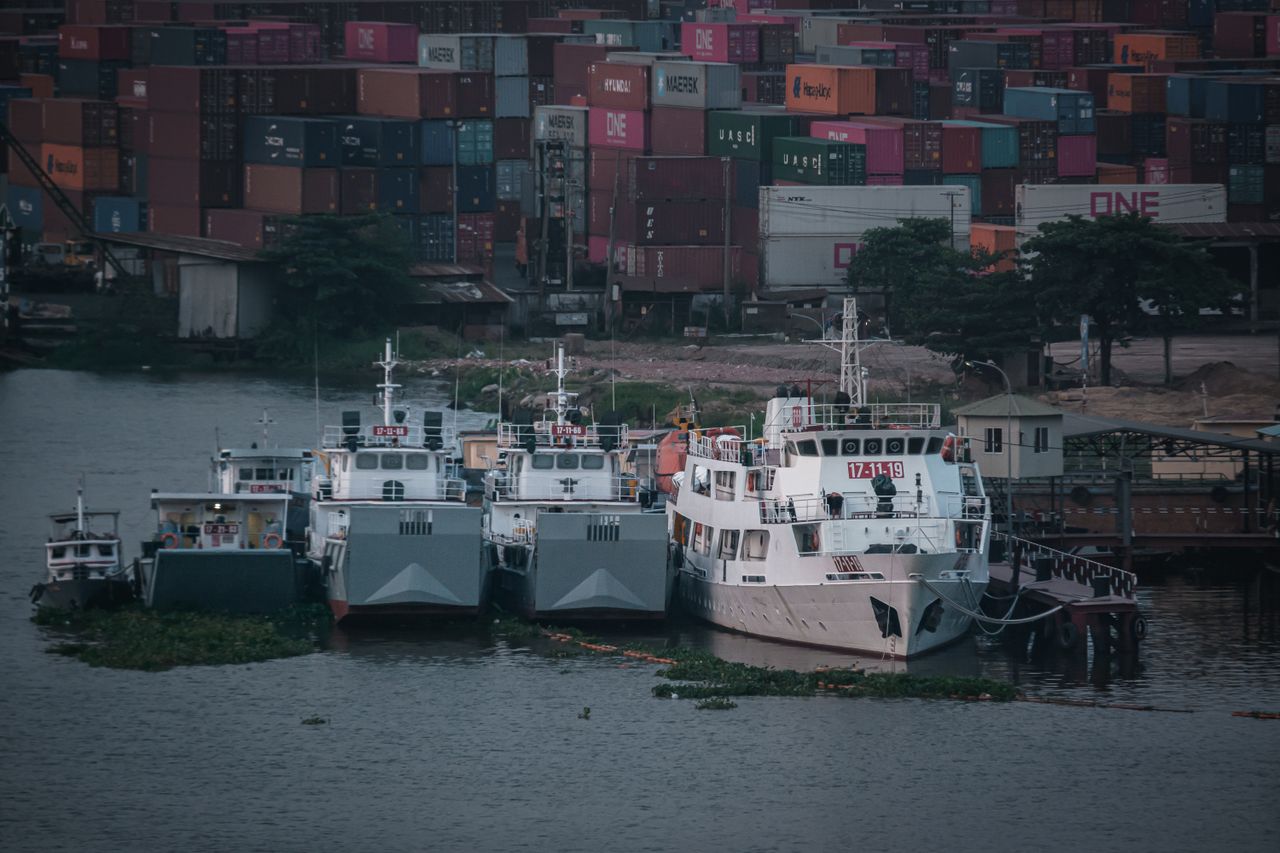
Liberia sits at the center of West Africa’s expanding maritime trade routes, and the Freeport of Monrovia serves as the country’s primary gateway for imports and exports across nearly every sector, from rubber and iron ore to general consumer goods. Companies positioning themselves in this trade corridor, along with those operating in agribusiness, energy, and interior infrastructure projects, need transport capacity that’s ready the moment their legal entity is in place.
Separating company registration from fleet sourcing creates real friction here. A company that completes incorporation only to then spend weeks separately negotiating truck leases, sourcing insured executive vehicles, or locating available heavy machinery has effectively delayed its own operational start-up by however long that second search takes. In sectors tied to port logistics and time-sensitive agricultural supply chains, that delay carries a direct cost.
Streamlined Business Setup Through the LBR
Before any fleet can be deployed, a company needs a legal foundation in Liberia, and that runs primarily through the Liberia Business Registry, known as the LBR.
What Registration Through the LBR Involves
The LBR serves as Liberia’s one-stop enterprise formalization center, handling the registration of business corporations, limited liability companies, foreign corporations, and branch or subsidiary structures. Fast-track incorporation through the LBR typically takes two to three weeks once statutory documentation and name reservations are approved, and it runs alongside Tax Identification Number procurement with the Liberia Revenue Authority, known as the LRA.
Understanding the LRA’s Role
Every registered entity must obtain a Tax Identification Number before commencing business activities, and according to the Liberia Revenue Authority’s official guidance on business registration, an entity must first be registered with the LBR before this process can proceed, and business registrations remain valid for a period of twelve months, requiring ongoing renewal to avoid fines or penalties. Companies operating in regulated sectors, such as transport, mining, or agriculture, also need pre-authorization from the relevant sector ministry before beginning operations, which makes coordinating registration and sector approval together an important part of a smooth market entry.
Corporate Bank Account Activation and Full Foreign Ownership
Once Articles of Incorporation are notarized and tax registration is complete, companies can activate a corporate bank account to begin operating. Foreign individuals and international corporations can hold 100 percent equity ownership under Liberian investment promotion frameworks, giving investors full control over their subsidiary without requiring a local equity partner.
Corporate Fleet Leasing for Monrovia and Interior Project Sites
Once a legal entity is established, the next operational requirement most companies encounter is mobility, both within Monrovia’s commercial districts and out to interior project sites where road conditions demand a different class of vehicle.
City Sedans and Premium SUVs
Modern, fully insured city sedans and premium SUVs support day-to-day executive mobility and client-facing travel within Monrovia, allowing business leaders to move through the city without navigating unfamiliar routes themselves.
Heavy-Duty 4x4s for Interior Access
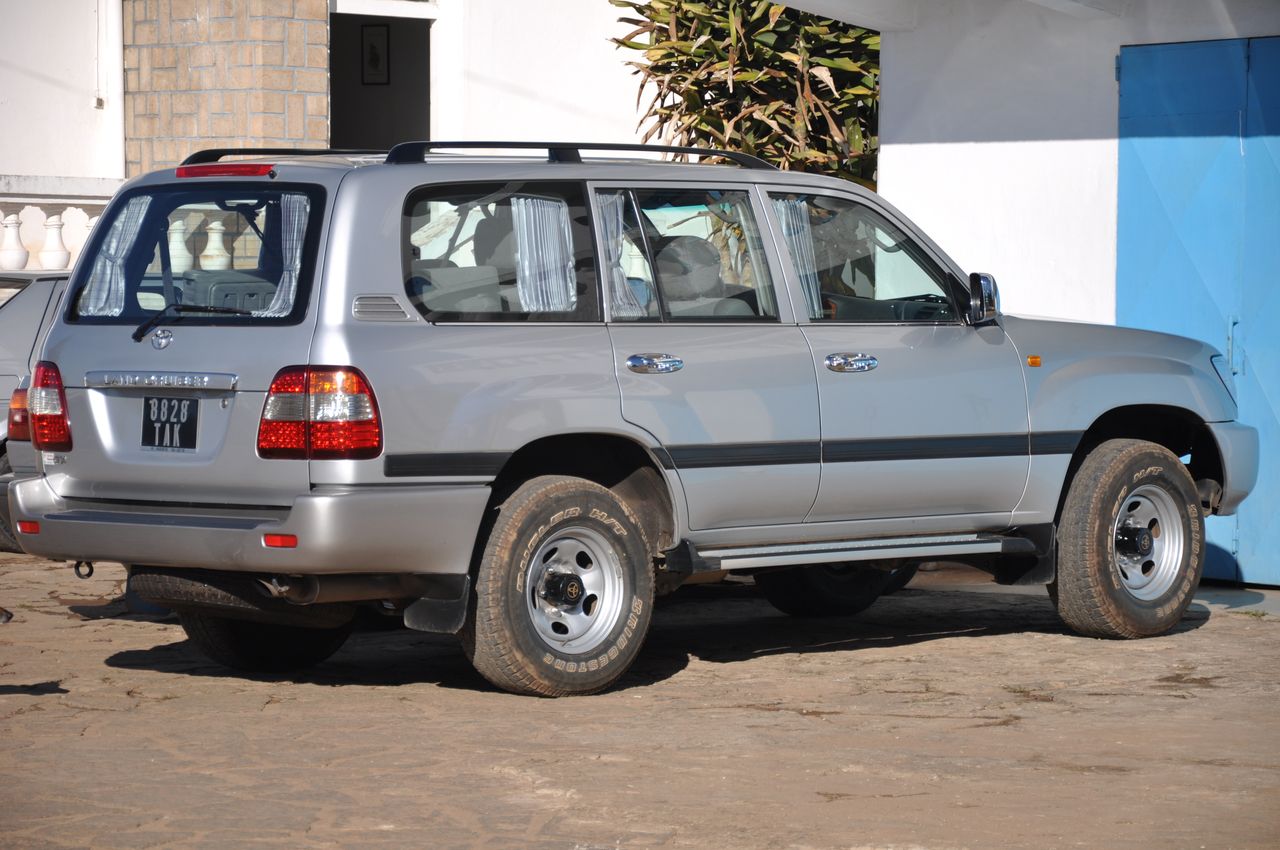
For companies with agribusiness operations, energy projects, or infrastructure work outside the capital, heavy-duty four-wheel-drive off-road vehicles are essential for reaching interior project sites where road conditions are considerably rougher than in Monrovia itself.
Heavy Transport for Maritime Trade and Agribusiness
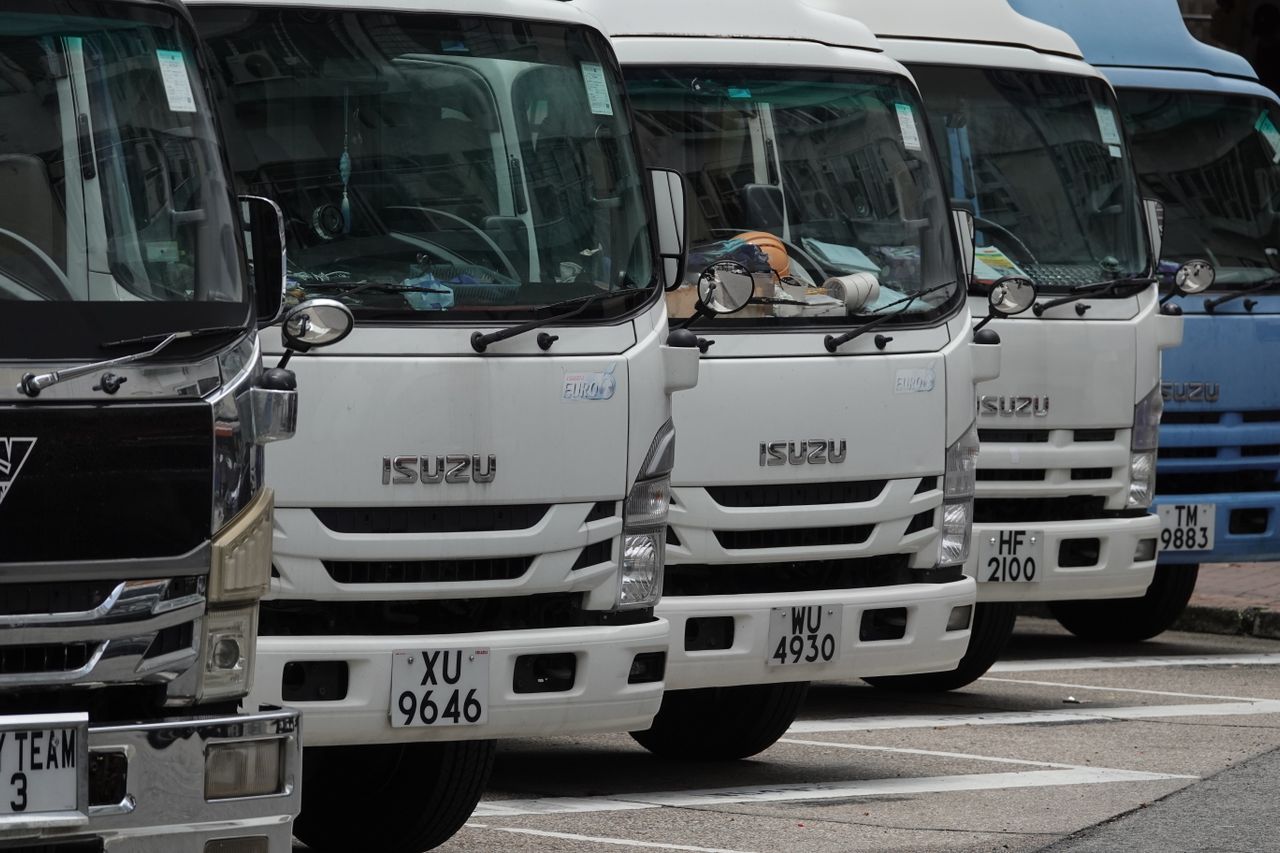
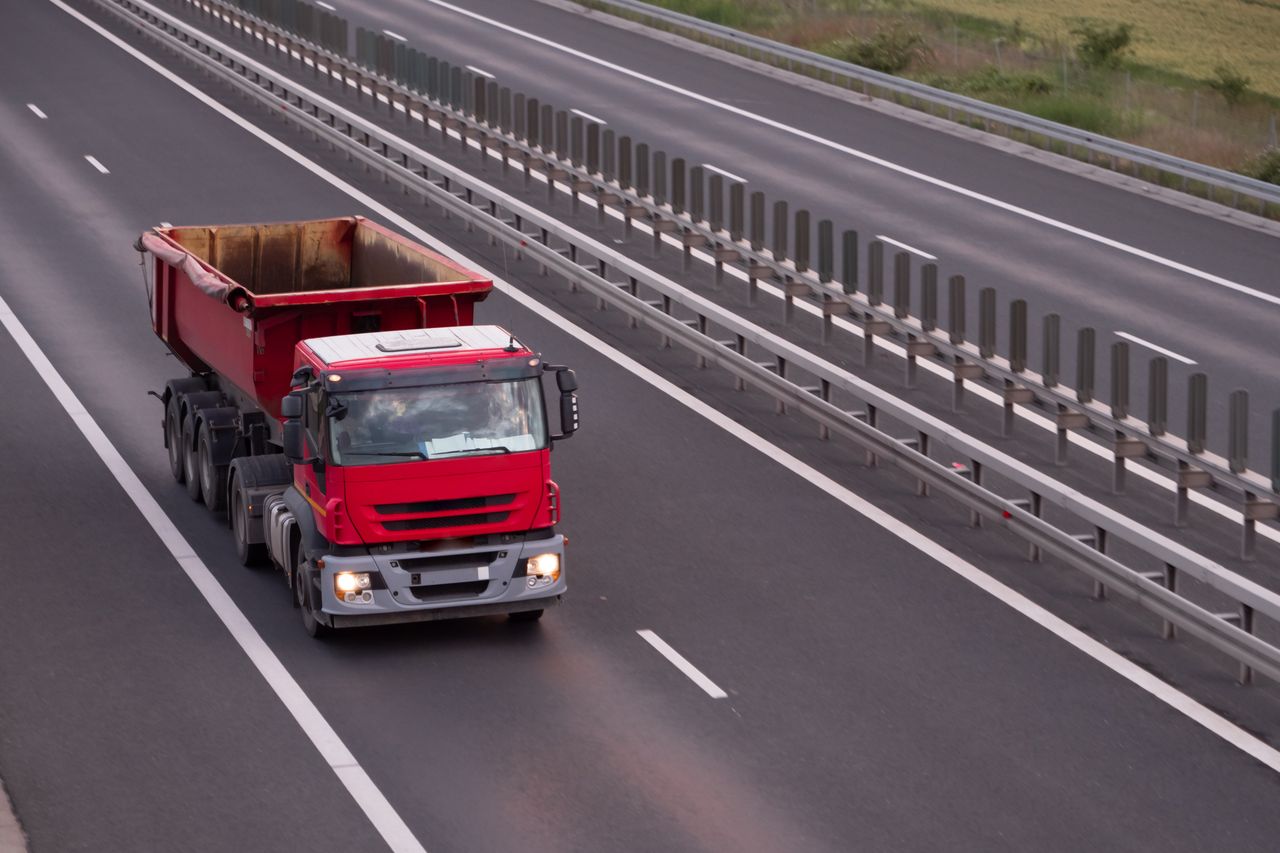
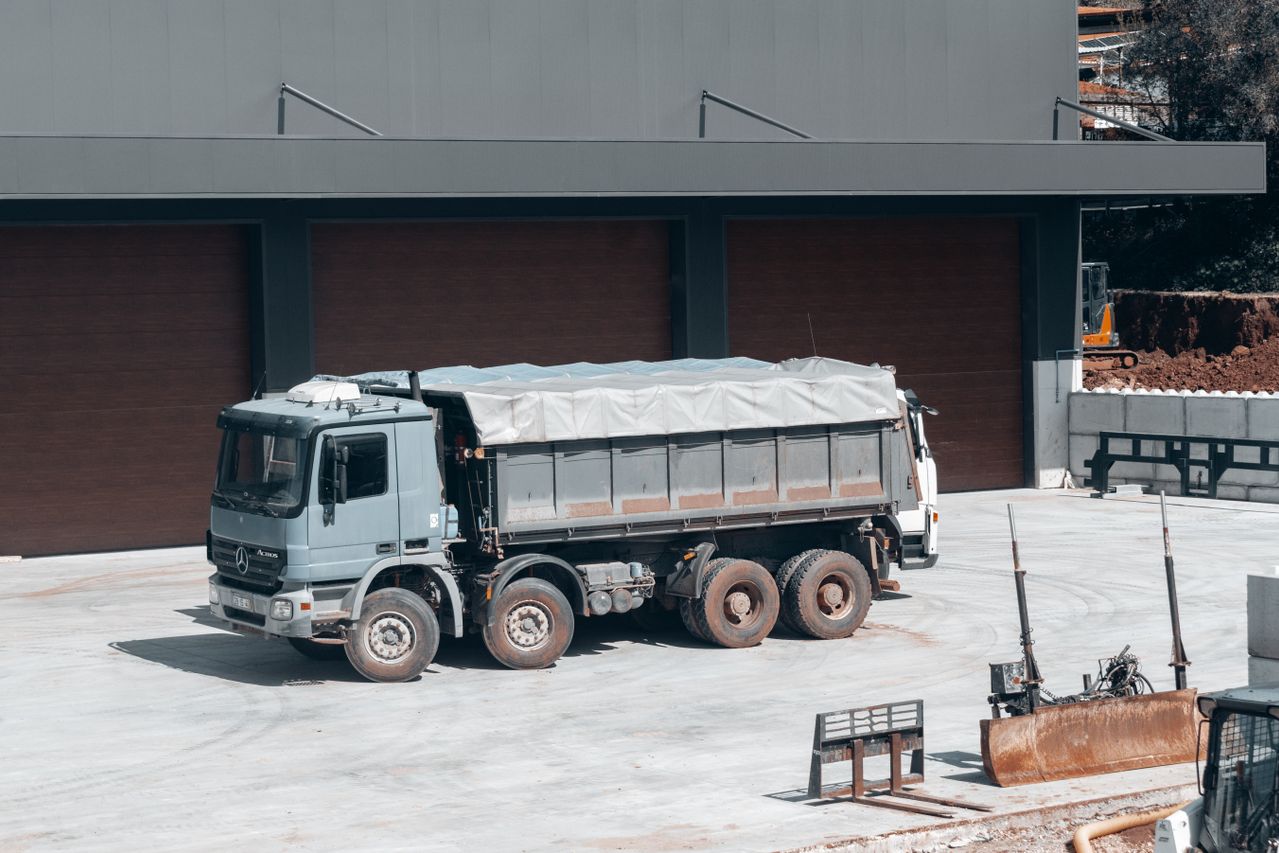
Passenger vehicles cover only part of a company’s transport needs in Liberia. High-capacity dump trucks, multi-axle flatbed trailers, and container haulers are purpose-built for the demands of the country’s core trade sectors.
Port Logistics Through the Freeport of Monrovia
Companies moving goods through the Freeport of Monrovia need container haulers and flatbed trailers optimized specifically for port-to-site logistics, ensuring cargo moves efficiently from the port to warehouses, processing facilities, or distribution points without unnecessary handling delays.
Agricultural Supply Chains and Bulk Cargo
Liberia’s agribusiness sector, spanning rubber, palm oil, and timber, depends on reliable bulk cargo transit between production sites and processing or export facilities. High-capacity dump trucks and flatbed haulers support this supply chain, particularly important given how much of Liberia’s road network outside major corridors remains unpaved and seasonally difficult.
Civil Infrastructure and Energy Machinery
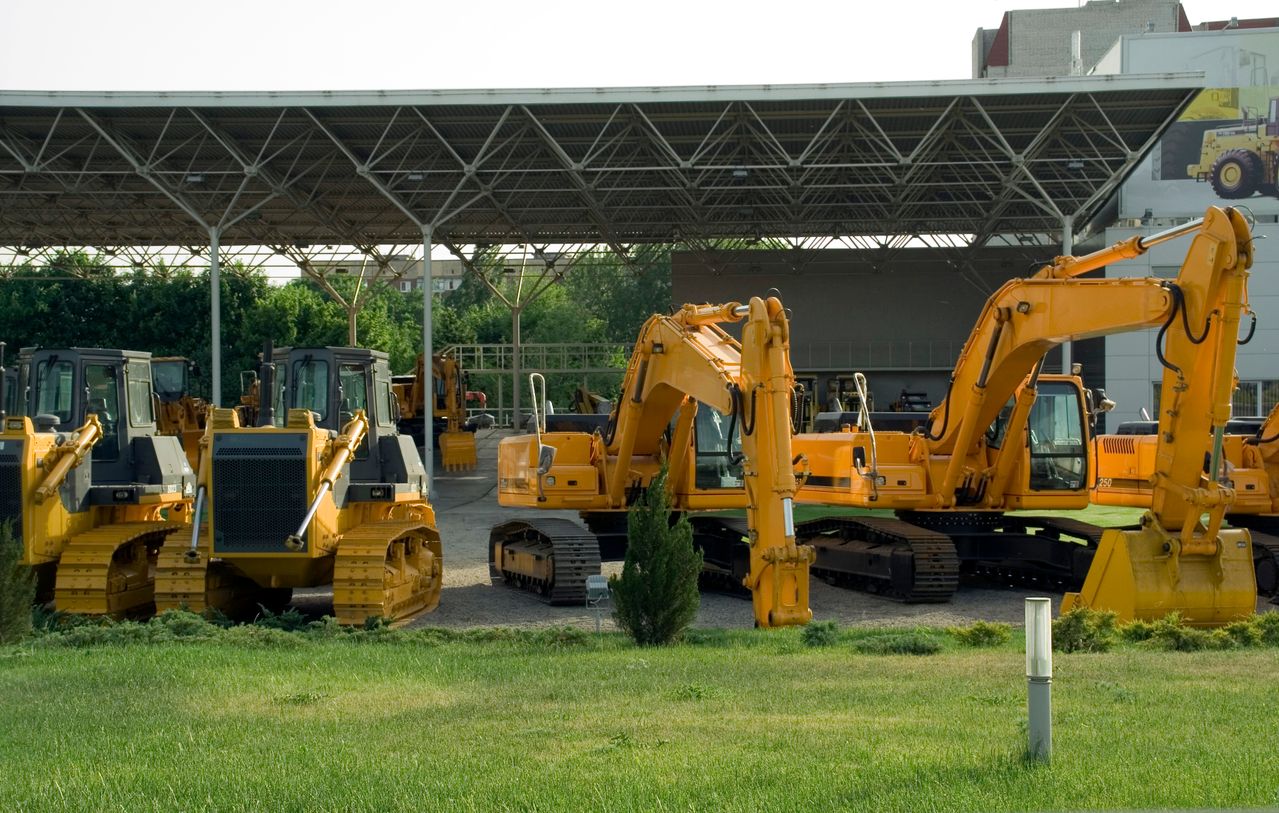
Beyond transport, Liberia’s growing energy sector and civil infrastructure projects require industrial-grade machinery maintained to strict safety standards. Job-ready hydraulic excavators, track bulldozers, wheel loaders, motor graders, and mobile cranes support energy sector developments and civil engineering works across the country.
Operator-Inclusive vs. Bare-Lease Options
Companies can choose operator-inclusive options featuring certified local drivers trained in site safety, or bare-lease agreements for companies that already employ their own qualified personnel. This flexibility supports both newly established operations and established contractors scaling up equipment capacity for a specific project phase.
Maintenance and Field Support on Interior Sites
Given how directly project timelines depend on equipment reliability, preventative maintenance, routine servicing, and 24/7 technical field support should be built into any long-term fleet contract, particularly for machinery operating on remote interior sites far from Monrovia’s service infrastructure.
Insurance and Compliance Across the Fleet
Every vehicle, transport truck, and heavy machine deployed in Liberia should carry comprehensive commercial liability insurance compliant with Liberian legal regulations. For companies operating in maritime trade, agribusiness, or energy infrastructure, this isn’t a minor detail. An uninsured incident involving a haulage truck or piece of heavy machinery can create legal and financial exposure that far exceeds the cost of the equipment itself.
Why Bundling Reduces Risk for Companies Entering Liberia
Companies sourcing legal setup, vehicle leasing, and heavy equipment hire from separate, unconnected vendors take on avoidable coordination risk. A legal advisor unaware of a company’s fleet timeline, working separately from an equipment supplier unaware of the company’s registration status, creates exactly the kind of miscommunication that delays operations right when a company should be ramping up.
An integrated provider structures these elements together from the start, running LBR and LRA filings in parallel with fleet sourcing and equipment procurement, so that by the time a company’s Liberian entity is registered, its vehicles, trucks, and machinery are ready to deploy rather than still being negotiated. For companies in maritime trade, agribusiness, energy, and infrastructure, where project timelines are often tied to shipping schedules or seasonal harvests, this coordination can meaningfully compress the gap between legal registration and full operational capacity.
Flexible, Long-Term Fleet Contracts
Verified corporate entities operating in Liberia can typically establish customized long-term lease structures with flexible monthly billing options across their full fleet, whether that includes executive vehicles, haulage trucks, or heavy machinery. This flexibility matters for companies managing multi-year energy or infrastructure projects, where fleet requirements often scale as a project moves through different development phases.
Why Choose Live and Work Africa for Liberia Fleet Solutions
Live and Work Africa delivers integrated business setup, corporate mobility, and heavy logistics solutions designed specifically for Monrovia and Liberia’s interior project hubs. Our services span fast-track incorporation through the LBR, TIN procurement with the LRA, executive and 4×4 vehicle fleets, high-capacity haulage trucks optimized for Freeport of Monrovia logistics and agribusiness supply chains, and industrial-grade civil infrastructure and energy machinery, all backed by comprehensive insurance and 24/7 technical field support.
Because our legal and fleet teams coordinate from the same operational plan, clients establishing a new Liberian entity don’t need to separately manage a registration firm, a vehicle leasing agency, and an equipment supplier. One partner handles the full scope, from statutory filing to site-ready trucks and machinery.
Frequently Asked Questions
What integrated services does Live and Work Africa provide in Liberia?
We offer end-to-end company registration, executive car rentals, commercial haulage truck leasing, and heavy machinery hire for maritime, agribusiness, and energy sectors.
How long does company registration take through the LBR in Monrovia?
Incorporation through the Liberia Business Registry process typically takes between two and three weeks once statutory documentation and name reservations are approved.
Can foreign investors retain 100% equity ownership in Liberia?
Yes. Foreign individuals and international corporations can hold 100% equity ownership under Liberian investment promotion frameworks.
Are commercial trucks and heavy machinery provided with certified operators?
Yes. We offer both operator-inclusive options featuring certified local drivers trained in site safety and bare-lease agreements for companies with qualified personnel.
What heavy equipment is available for energy and port logistics projects?
Our fleet includes hydraulic excavators, track bulldozers, wheel loaders, motor graders, mobile cranes, and compaction rollers suited to energy sector developments and civil engineering works.
Ready to Expand Your Corporate Operations in Liberia?
Register your legal entity, deploy high-capacity haulage trucks, and secure heavy transport equipment in Monrovia, all through one coordinated partner. Live and Work Africa combines full compliance with modern fleets and trusted local support. Contact us today to request a business and fleet proposal.