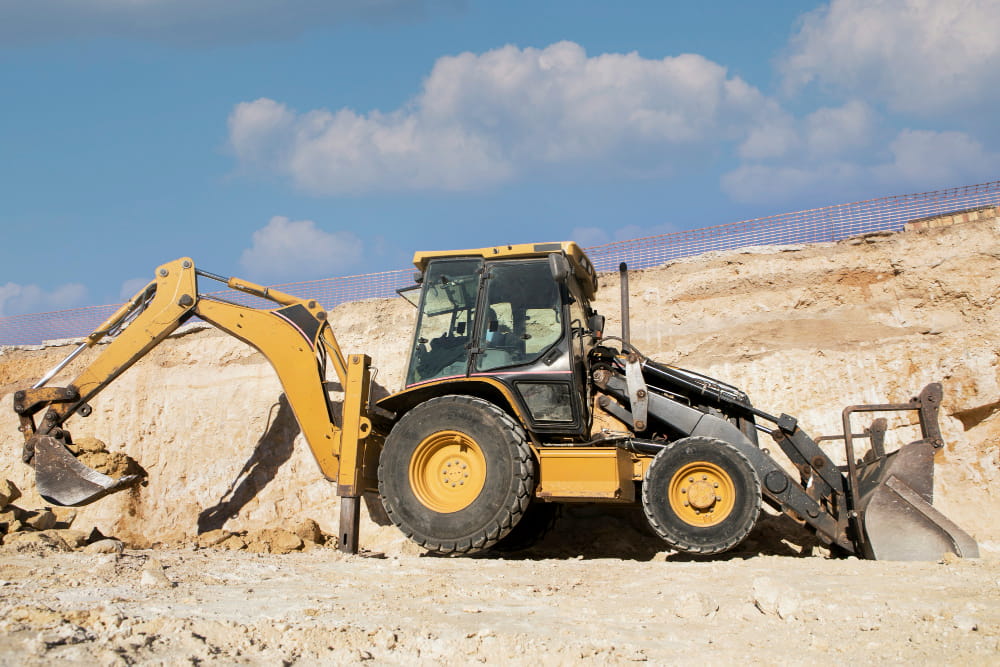

Heavy Equipment Rental Guinea – Heavy equipment is essential for many construction, mining, infrastructure, road development, and industrial projects in Guinea. Excavators, bulldozers, wheel loaders, graders, dump trucks, compactors, and cranes can help companies handle demanding earthmoving, material handling, excavation, and site-development activities.
For businesses operating in Guinea, purchasing an entire fleet is not always the most efficient option. Heavy machinery requires significant capital, as well as ongoing maintenance, storage, transportation, insurance, and technical support.
Heavy equipment rental in Guinea provides an alternative by giving companies access to machinery based on project requirements and rental periods. This can be particularly useful for contractors, mining companies, infrastructure developers, and businesses entering the Guinean market.
Guinea’s mining sector remains a major driver of economic activity. According to the World Bank, Guinea’s economic growth accelerated to 7.4% in 2025, with mining, particularly bauxite production, playing a major role. The World Bank also expects the expansion of iron ore production associated with Simandou to contribute significantly to future growth.
As mining and infrastructure activity develops, reliable access to appropriate machinery can become an important part of project planning.
Why Rent Heavy Equipment in Guinea?
Heavy equipment rental can offer several practical advantages for companies that do not want to purchase and maintain a complete fleet.
Reduce Upfront Equipment Costs
Purchasing an excavator, bulldozer, grader, or large mining truck requires substantial capital. Rental allows companies to access machinery without paying the full purchase cost.
This can be especially useful for businesses working on temporary construction projects or specific phases of a mining operation.
Instead of investing capital in equipment that may remain unused after a project ends, businesses can align equipment expenses with actual project requirements.
Match Equipment to Project Requirements
Different project stages require different machines.
For example, excavation may require hydraulic excavators, while road preparation may require graders and compactors. Material loading can require wheel loaders, while transporting large quantities of material may require dump trucks.
Rental gives businesses the flexibility to select equipment based on the work being performed.
Improve Project Flexibility
Construction and mining projects can change during execution. A project may require additional machinery during a particular phase or need equipment for longer than initially planned.
Depending on the provider, rental arrangements can be structured for short-term, monthly, or longer project periods.
Reduce Fleet Management Responsibilities
Owning heavy machinery means managing preventive maintenance, repairs, spare parts, inspections, storage, and equipment depreciation.
With an appropriate rental agreement, some maintenance and technical-support responsibilities can be handled by the equipment provider.
What Heavy Equipment Can Be Rented in Guinea?
The right machinery depends on the project type, terrain, material, operating environment, and required capacity.
Excavators
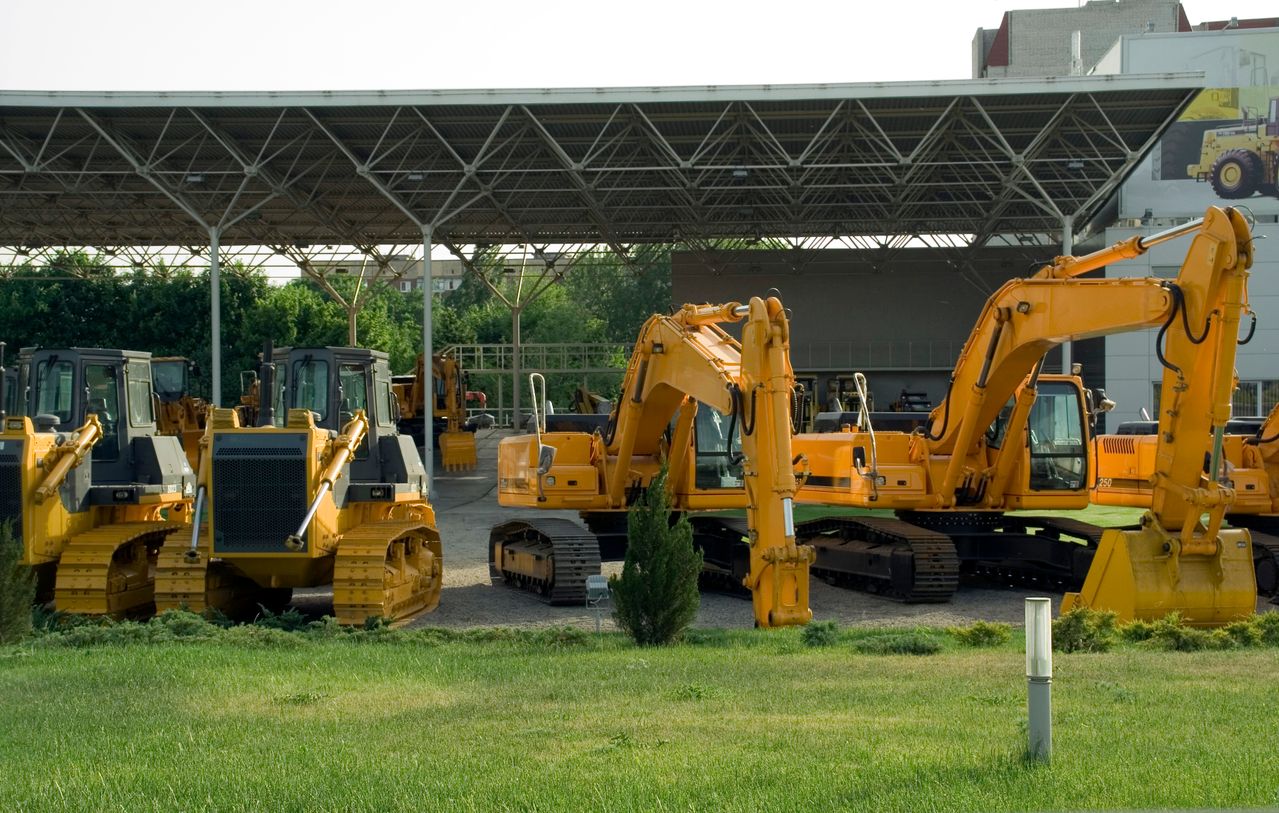
Excavators are among the most versatile machines for construction and mining operations. They can be used for excavation, trenching, earthmoving, demolition, site preparation, and material handling.
When selecting an excavator, businesses should consider operating weight, bucket capacity, digging depth, hydraulic performance, attachments, and the conditions of the worksite.
For mining applications, larger excavators or machines equipped with specialized attachments may be required.
Bulldozers
Bulldozers are designed to push and move soil, rock, debris, and other materials.
They are commonly used for land clearing, mine-site preparation, road construction, grading support, and large-scale earthmoving.
The appropriate bulldozer depends on terrain, material density, blade configuration, operating weight, and project scale.
Wheel Loaders
Wheel loaders are used to load, move, and handle materials such as soil, aggregate, rocks, and construction materials.
They can support quarrying, mining, construction, and infrastructure projects where material needs to be moved efficiently around a site.
Businesses should evaluate bucket capacity, lifting capability, operating weight, and site conditions before selecting a wheel loader.
Motor Graders
Motor graders are primarily used for creating and maintaining level surfaces.
They are particularly useful for road construction, access-road maintenance, drainage preparation, site development, and final grading.
For projects in remote mining areas, graders can also support the maintenance of internal roads and access routes.
Dump Trucks
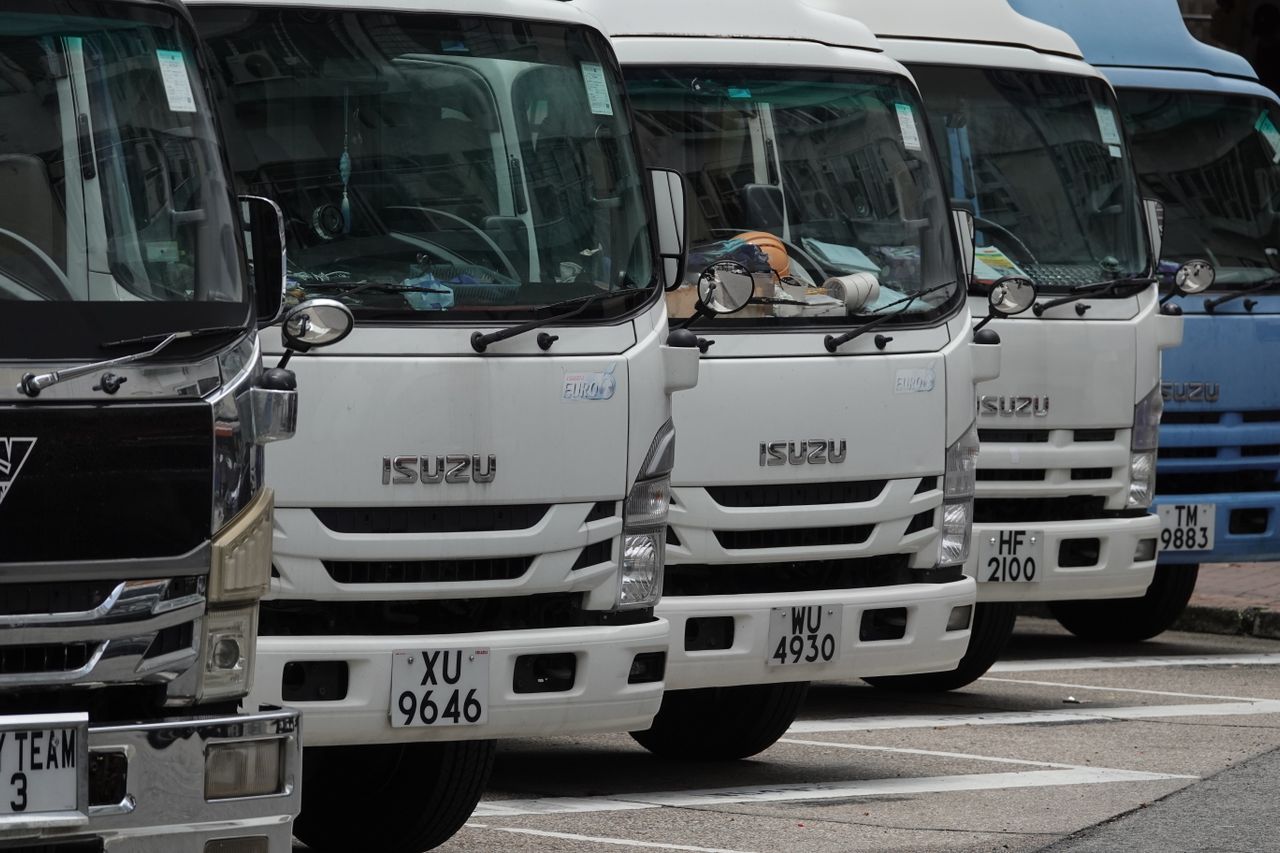
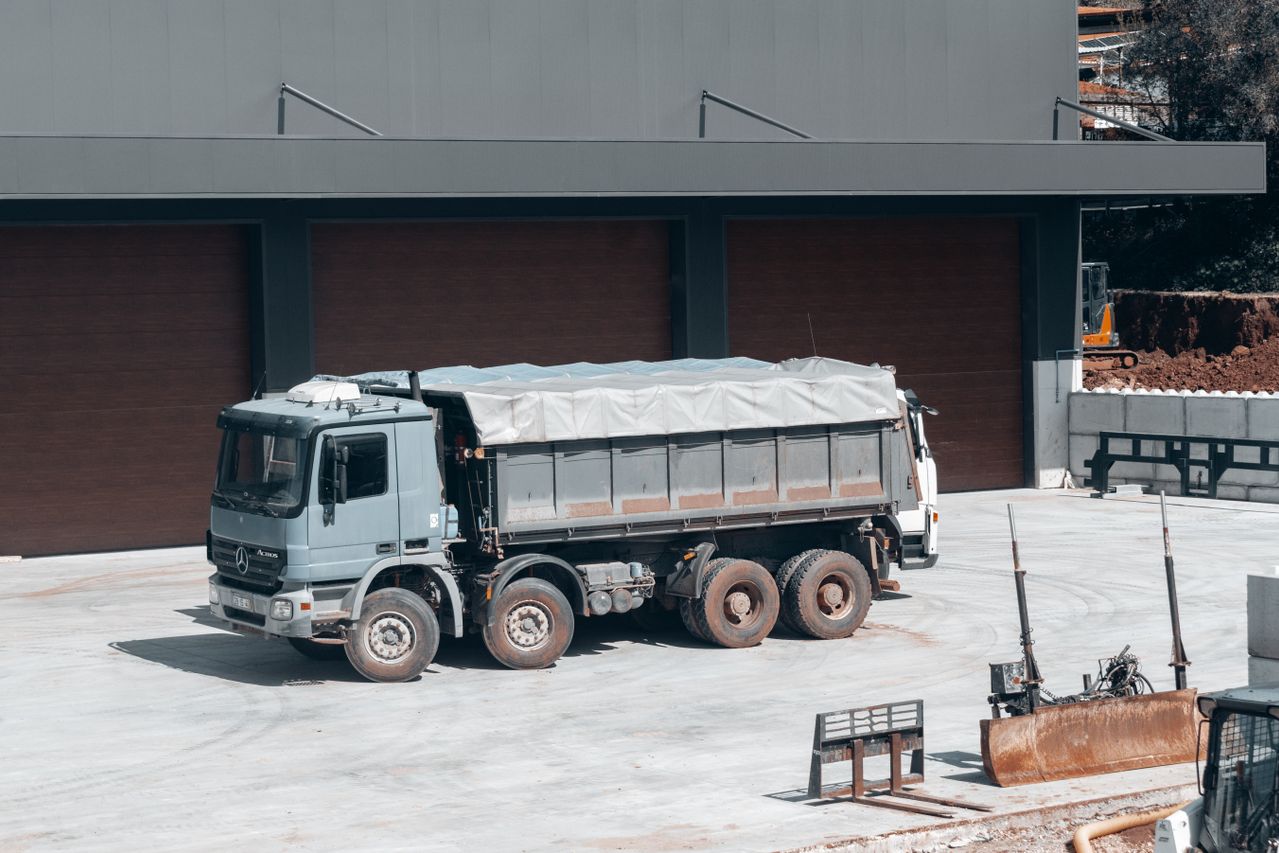
Dump trucks are designed to transport large quantities of soil, rock, ore, aggregate, and construction materials.
Mining and infrastructure projects may require heavy-duty trucks capable of handling demanding terrain and high-volume material movement.
When renting dump trucks, companies should evaluate payload capacity, operating conditions, fuel consumption, tire requirements, and haul-road conditions.
Compactors and Rollers
Compaction equipment is used to stabilize soil, gravel, asphalt, and other surfaces.
Different types of rollers are suitable for different materials and applications. Selecting the correct machine is important for achieving the required density and surface stability.
Cranes and Lifting Equipment
Cranes can support industrial construction, infrastructure projects, equipment installation, and heavy lifting activities.
Before renting a crane, businesses should determine the required lifting capacity, working radius, boom configuration, ground conditions, and site access.
Industries That Use Heavy Machinery in Guinea
Heavy equipment supports several important sectors of Guinea’s economy.
Mining
Mining is one of the most important applications for heavy machinery in Guinea.
The country is a major bauxite producer and also has significant iron ore and gold resources. The World Bank notes that mining activity has been a major driver of recent economic growth, with bauxite production increasing substantially and Simandou expected to contribute to the next phase of mining expansion.
Mining companies may require excavators, bulldozers, loaders, graders, dump trucks, compactors, and other equipment for excavation, stripping, haul-road development, material handling, and site preparation.
Mining-related businesses should also review applicable requirements and regulatory information through Guinea’s relevant mining authorities before beginning operations.
Construction and Civil Engineering
Construction companies may use heavy machinery for foundations, excavation, earthworks, demolition, road development, drainage, and site preparation.
The growth of public and private investment in infrastructure also creates demand for construction equipment. The World Bank’s current country partnership framework for Guinea emphasizes transport and energy infrastructure alongside private investment and economic development.
Road Construction and Maintenance
Road construction requires a combination of machines rather than a single piece of equipment.
Excavators can support drainage and earthworks, bulldozers can prepare terrain, graders can shape road surfaces, loaders can handle materials, and rollers can compact the finished surface.
For projects operating outside major urban areas, equipment availability and transportation logistics should be considered early.
Agriculture and Land Development
Heavy equipment can also support agricultural and land-development projects.
Bulldozers and excavators may be used for land preparation, drainage, access roads, and site clearing, while loaders can transport soil and other materials.
Guinea’s agricultural sector remains important to the wider economy, making machinery relevant beyond mining and construction.
How Much Does Heavy Equipment Rental Cost in Guinea?
There is no universal rental price for heavy machinery in Guinea. The total cost depends on the equipment and the project conditions.
Important cost factors include:
- Equipment type and model
- Machine capacity
- Rental duration
- Project location
- Transportation and mobilization
- Operator requirements
- Fuel
- Maintenance
- Insurance
- Attachments
- Working conditions
A basic excavator rental for a construction project near Conakry may have a very different total cost from supplying several machines to a remote mining operation.
Transportation can also have a significant impact on the final quotation, particularly when machinery needs to be mobilized to areas far from major commercial centers.
For this reason, companies should request a project-specific quotation instead of relying on a generic daily rental price.
Heavy Equipment Rental in Conakry and Mining Areas
Project location is one of the most important considerations when arranging equipment rental in Guinea.
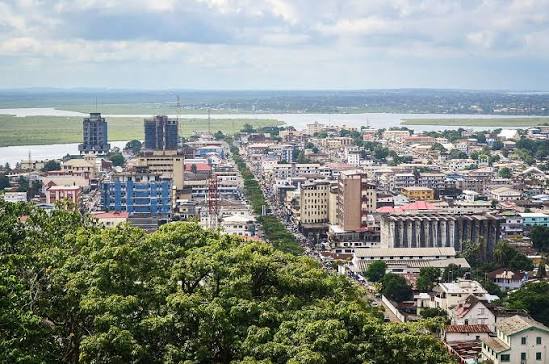
Conakry serves as a major commercial and administrative center, while mining and industrial activity extends into areas such as Boké, Boffa, Kamsar, Sangarédi, and Siguiri.
Current equipment providers operating in Guinea advertise machinery rental and mobilization services covering several of these areas, including excavators, bulldozers, graders, dump trucks, compactors, and other equipment.
For businesses planning projects outside Conakry, equipment transportation should therefore be discussed before the rental agreement is finalized.
What to Check Before Renting Heavy Equipment in Guinea
Choosing the cheapest machine is not necessarily the most cost-effective approach. Equipment that is unsuitable for the site can lead to downtime, lower productivity, and additional transportation or repair costs.
1. Define the Work
Identify exactly what the machine will be used for.
Consider the material, terrain, required capacity, expected working hours, project duration, and site conditions.
2. Check Machine Specifications
Review operating weight, engine power, bucket or blade capacity, dimensions, attachments, and operating limits.
The equipment should be capable of performing the required task without being unnecessarily oversized for the project.
3. Inspect Equipment Condition
Before accepting the machine, check its general condition.
Important areas include the engine, hydraulic systems, tires or tracks, attachments, brakes, controls, safety equipment, and visible signs of excessive wear.
4. Confirm Maintenance Support
Ask who is responsible for routine maintenance, emergency repairs, spare parts, and machine downtime.
For mining projects, technical support can be especially important because equipment failure can interrupt multiple stages of an operation.
5. Clarify Transportation
The rental contract should clearly identify who is responsible for mobilization and demobilization.
Businesses should also confirm loading, unloading, transportation costs, and any requirements associated with moving oversized machinery.
6. Determine Operator Requirements
Some equipment may be available with an operator, while other arrangements provide the machine only.
If an operator is required, clarify qualifications, working hours, accommodation, and other responsibilities before signing the agreement.
Rental vs. Buying Heavy Equipment in Guinea
The decision to rent or purchase machinery depends on how frequently the equipment will be used and the company’s long-term operating strategy.
Rental may make sense when:
- Equipment is required for a limited project
- Machinery requirements change between project phases
- Specialized equipment is needed temporarily
- The company wants to limit upfront capital expenditure
- The business is entering a new market
Purchasing may be considered when equipment will be used continuously for a long period and the company has the resources and infrastructure required for maintenance and fleet management.
For many project-based businesses, rental provides a way to access specialized machinery without maintaining a large permanent fleet.
How to Choose a Heavy Equipment Rental Provider in Guinea
A suitable equipment provider should understand more than the machine itself.
Before signing a rental agreement, ask about:
- Equipment availability
- Machine specifications
- Maintenance records
- Operator availability
- Transportation and mobilization
- Fuel responsibilities
- Insurance
- Repair and replacement arrangements
- Rental duration
- Extension and return conditions
It is also important to communicate the project location and expected operating environment. This allows the provider to determine whether the selected machine is appropriate and how it can be transported to the site.
Heavy Equipment Rental for Guinea’s Growing Mining and Infrastructure Projects
Guinea’s mining sector is entering an important period of expansion. The World Bank reports that Simandou’s iron ore operations are expected to support significant economic growth, while the country’s development strategy also emphasizes infrastructure, energy, transport, and private investment.
For contractors and businesses supporting these projects, access to appropriate heavy machinery can be an important operational requirement.
Rather than purchasing every machine needed for a project, companies can consider rental solutions that align equipment availability with the project’s timeline, location, and workload.
Frequently Asked Questions
1. What heavy equipment can be rented in Guinea?
Common equipment includes excavators, bulldozers, wheel loaders, motor graders, dump trucks, compactors, rollers, cranes, and other machinery used for mining, construction, roadwork, and industrial projects.
2. How much does heavy equipment rental cost in Guinea?
Rental costs vary according to equipment type, capacity, rental period, location, transportation, operators, fuel, maintenance, and insurance. A project-specific quotation is the best way to determine the total cost.
3. Can I rent heavy equipment for a mining project in Guinea?
Yes. Heavy machinery can support excavation, stripping, material handling, haul-road development, site preparation, and infrastructure work associated with mining projects.
4. Can heavy equipment be rented with an operator?
Depending on the provider and equipment, machinery may be available with or without an operator. Operator requirements should be confirmed before finalizing the rental agreement.
5. Can companies rent heavy machinery for long-term projects?
Yes. Depending on equipment availability and provider terms, companies may arrange longer-term rental agreements. The contract should clearly define maintenance, transportation, operator, and payment responsibilities.
Get Heavy Equipment for Your Guinea Project
Whether your business is involved in mining, construction, road development, infrastructure, agriculture, or industrial operations, having the right machinery can help keep your project moving efficiently.
Live and Work Africa can help businesses explore heavy equipment solutions for projects in Guinea based on equipment type, project location, rental duration, and operational requirements.
Tell us what machinery you need, where the project is located, how long you need the equipment, and what the machinery will be used for.
Contact Live and Work Africa today to discuss a heavy equipment rental solution for your Guinea project.