
Entering the Democratic Republic of the Congo as a foreign company means solving two problems at once: getting legally established, and getting your people, materials, and equipment moving on the ground. Too often, businesses treat these as separate projects, hiring one firm to handle incorporation and another to source vehicles or heavy machinery months later, once operations are already supposed to be underway. DRC fleet solutions that combine legal setup with vehicle and equipment logistics from day one solve a problem most foreign investors don’t anticipate until they’ve already lost weeks to it: a registered company with no way to move anyone or anything.
This guide explains why bundling company registration with executive vehicle rental, commercial truck leasing, and heavy equipment hire makes a measurable difference for companies scaling operations in Kinshasa and the DRC’s interior industrial concessions, and what an integrated fleet and business solution should actually include.
Why the DRC Rewards an Integrated Approach
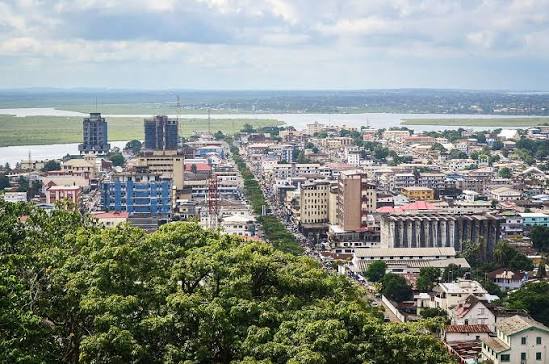
The DRC is Central Africa’s largest market, and conquering it demands a unified legal and logistical infrastructure rather than a patchwork of disconnected vendors. Foreign investors who separate their legal setup from their operational logistics frequently discover the gap between the two only after incorporation is complete, when they realize they still need to source insured vehicles, arrange bilingual chauffeurs for site visits, or secure heavy machinery for a mining concession, each from a different, unfamiliar local supplier.
This disconnect isn’t just an inconvenience. Infrastructure and logistics coordination remain persistent challenges across the DRC’s mining and industrial sectors, and analysts covering the country’s mining potential have pointed specifically to improved regional connectivity, such as new export corridors and cross-border coordination, as key factors that reduce logistical bottlenecks and lower operating costs for companies working in the country. An integrated fleet and business solution addresses this at the company level, ensuring that legal entity formation, vehicle mobility, and equipment access are planned together rather than sequentially.
What Company Registration Actually Involves in the DRC
Before any fleet can be deployed, a company needs a legal foundation. In the DRC, this runs through the Guichet Unique de Création d’Entreprise, or GUCE, the government’s single-window system for business incorporation.
The GUCE Filing Process
Turnkey incorporation through GUCE covers name reservation, statutory document filing, and the issuance of a company’s Tax Identification Number (NIF), National Identification Number (ID. NAT), and entry in the Commercial Registry (RCCM). This process typically takes three to four weeks depending on the corporate structure chosen and the complexity of statutory approvals required.
OHADA Compliance and Bilingual Documentation
As a member of OHADA, the Organisation for the Harmonization of Business Law in Africa, the DRC requires companies to structure their governance and shareholder agreements according to a shared regional commercial law framework. For foreign investors, having corporate documents, commercial leases, and service agreements prepared in both English and French from the outset ensures full international enforceability without requiring separate translation and legal review down the line.
Full Foreign Ownership
Foreign individuals and international corporations can hold 100 percent equity ownership in DRC operations under national investment codes and OHADA legal frameworks, meaning investors retain full control over their subsidiary without needing a local shareholder.
Executive Mobility: Getting Your People Moving
Once a legal entity is in place, the next operational gap most foreign companies encounter is mobility. Kinshasa’s traffic, combined with the demands of reaching remote project sites, means vehicle logistics need to be built for both city navigation and off-road access.
City and Executive Fleets
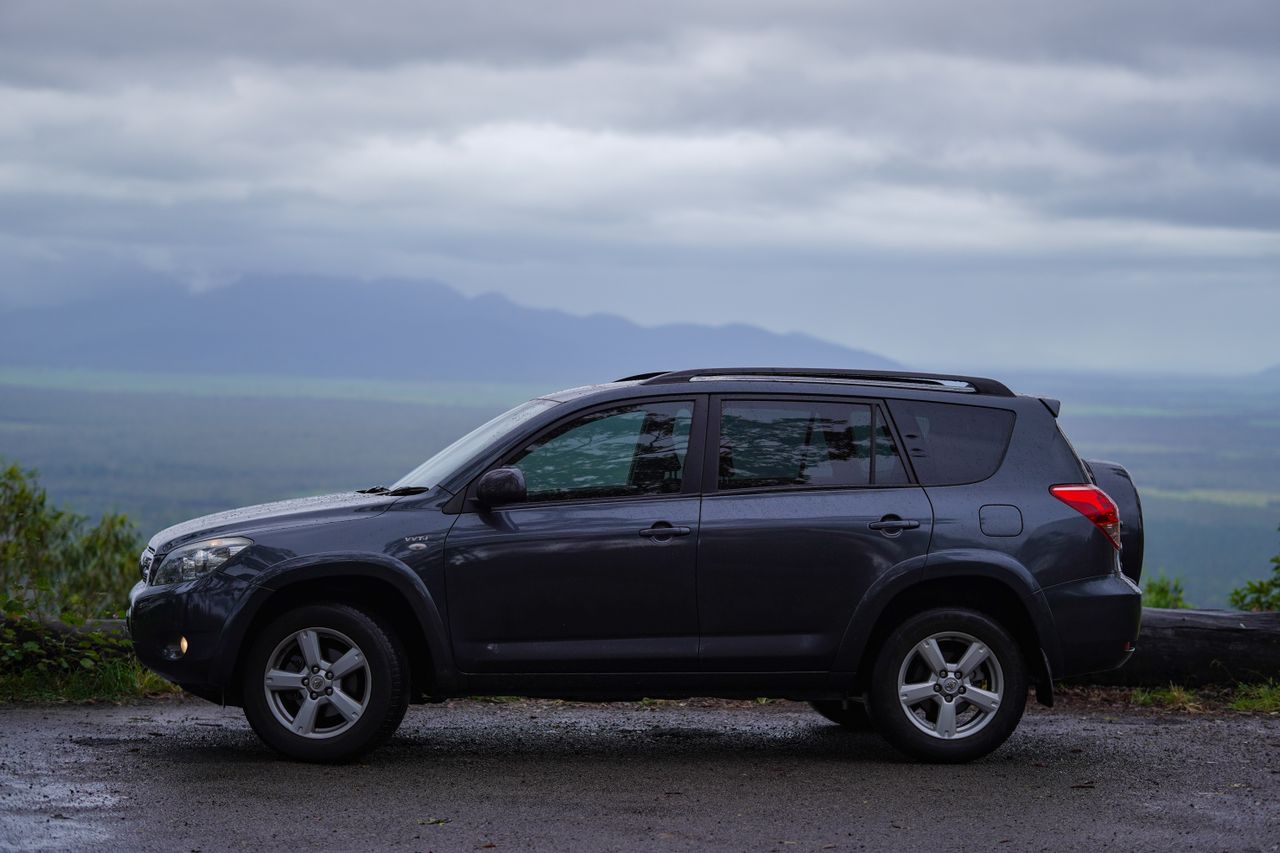
Fully insured city sedans and premium SUVs, typically with the option of bilingual chauffeurs, allow executives and client-facing staff to move through Kinshasa without navigating unfamiliar traffic patterns themselves.
4×4 Off-Road Access
For teams needing to reach remote industrial concessions or mining sites outside the capital, heavy-duty four-wheel-drive vehicles are essential given the road conditions typical of the DRC’s interior regions. Bundling this into the same fleet arrangement as city vehicles means a single provider, rather than separate local contacts, manages the full range of a company’s mobility needs.
High-Capacity Haulage: Moving Materials at Scale
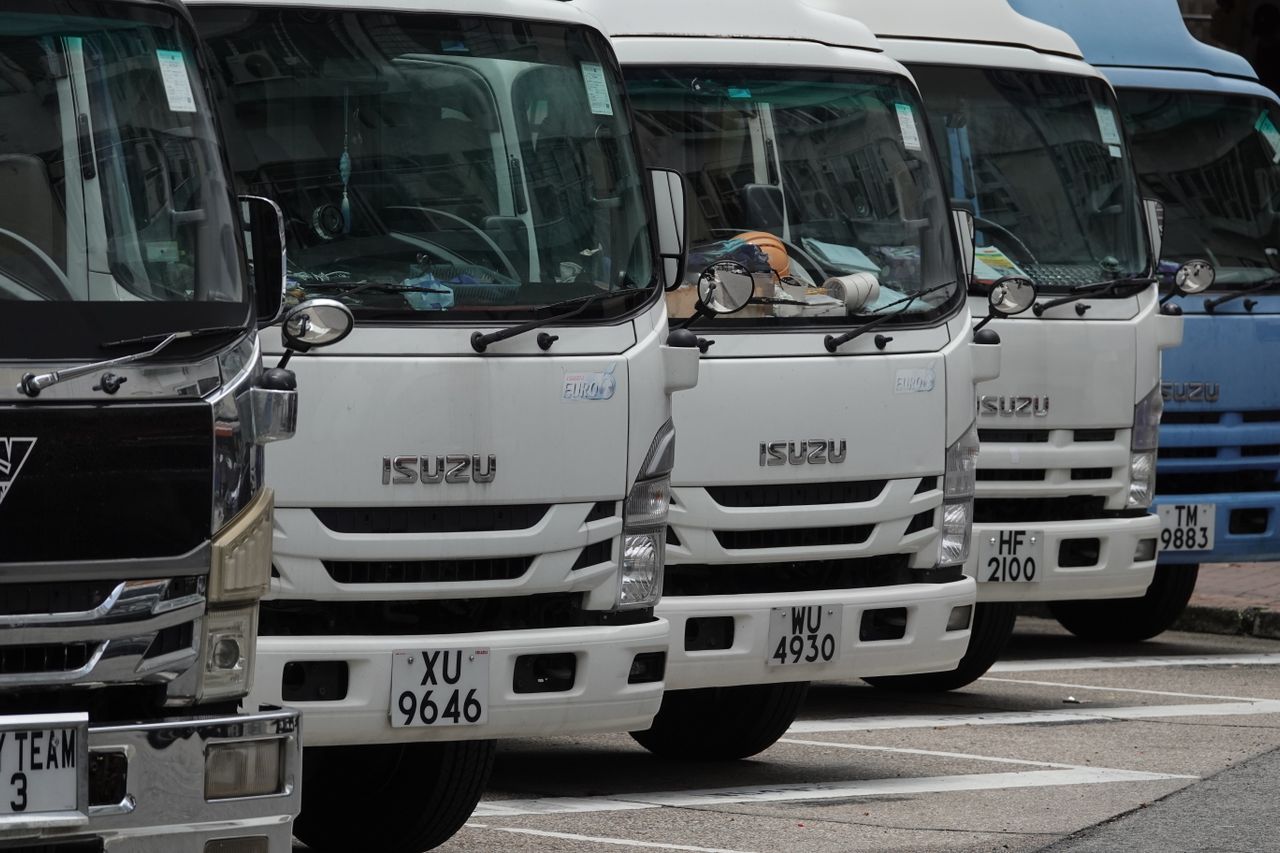
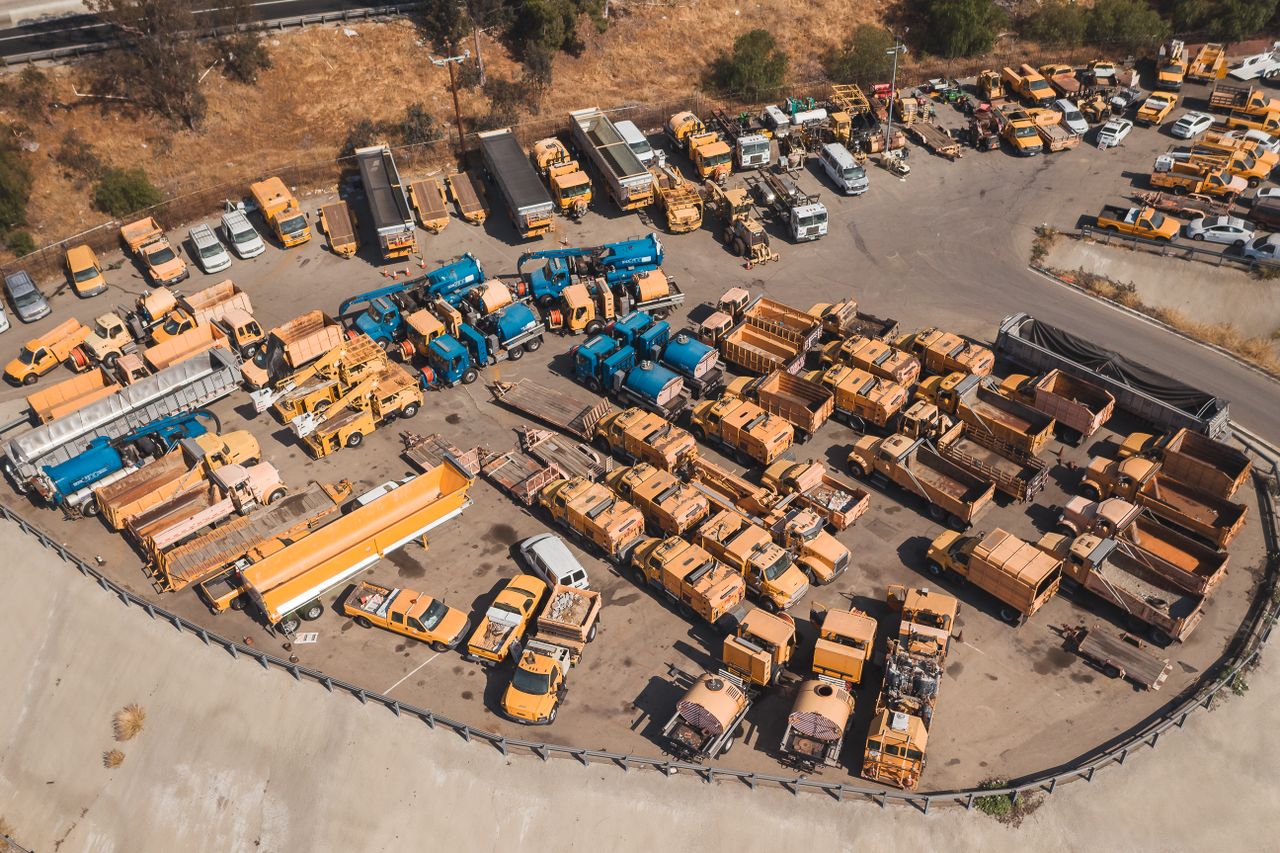
For companies in mining, construction, or bulk material transport, passenger vehicles only solve part of the logistics equation. Heavy-duty dump trucks, multi-axle flatbeds, and long-haul freight carriers are engineered specifically for bulk material transport, mining logistics, and heavy payload transfers across the DRC’s demanding terrain and export corridors.
Because these vehicles typically operate under sustained, high-intensity conditions, particularly for companies moving materials to and from mining concessions, having haulage capacity managed under the same service agreement as a company’s legal compliance and executive fleet significantly simplifies contract management, billing, and accountability across an operation’s full logistics footprint.
Heavy Equipment: Powering Mining and Civil Infrastructure Projects
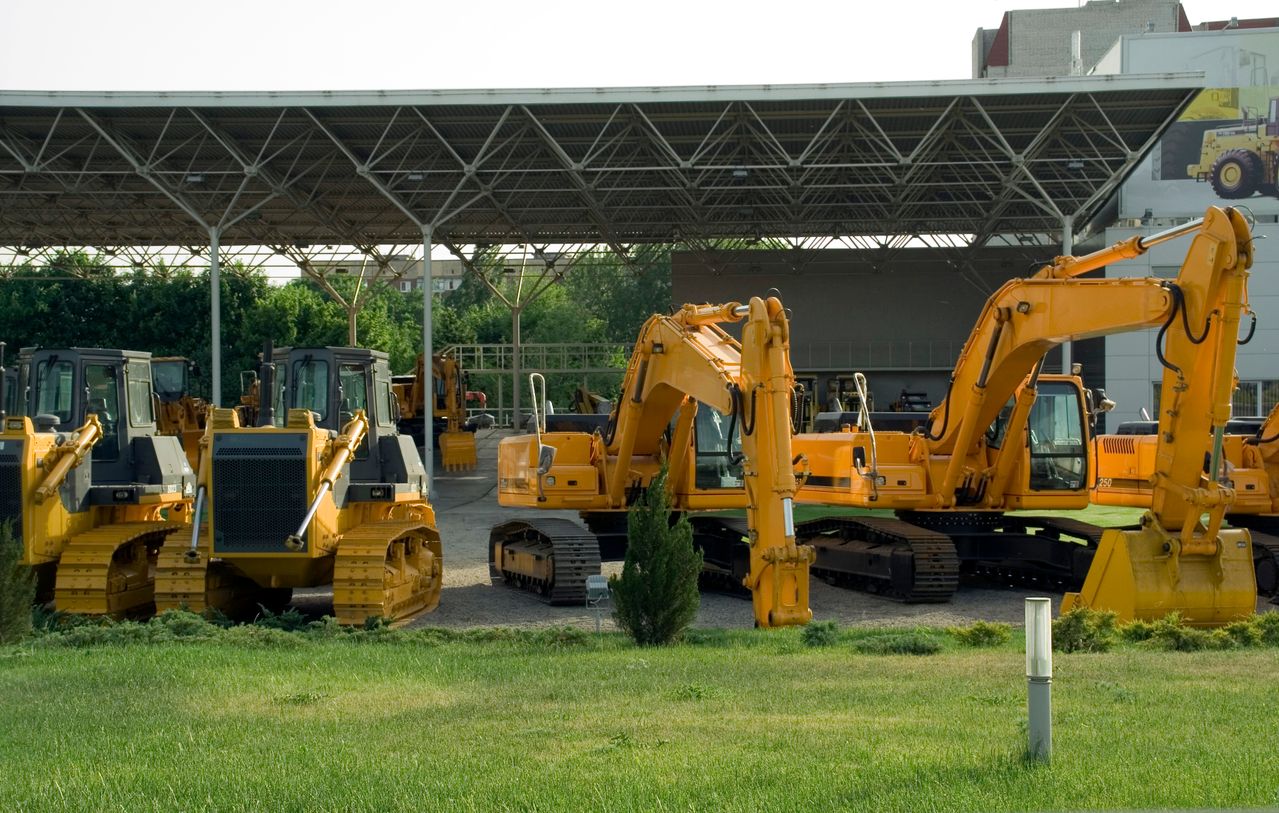
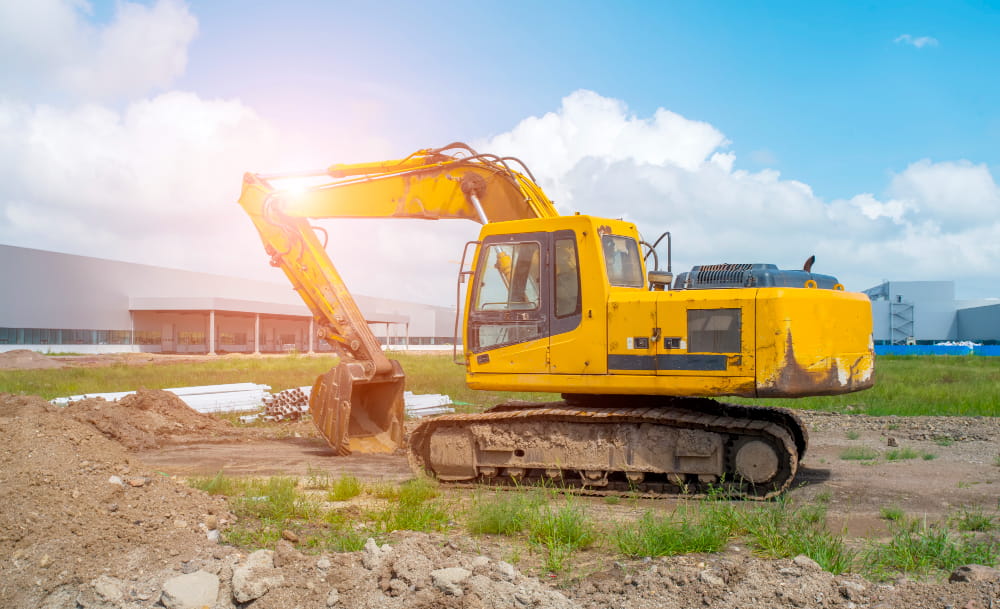
Mining concessions and civil engineering projects in the DRC require industrial-grade machinery maintained to strict safety standards, not just vehicles for transport. Hydraulic excavators, track bulldozers, wheel loaders, motor graders, and compaction rollers all play a role in site development, earthmoving, and infrastructure construction, and sourcing this equipment through the same partner handling a company’s business setup and truck fleet removes a significant coordination burden during a project’s critical early phases.
Operator-Inclusive vs. Bare-Rental Options
Companies have flexibility in how they staff this equipment. Operator-inclusive leases come with safety-trained local drivers and equipment operators, while bare-rental agreements suit companies that already employ their own certified personnel and simply need access to the machinery itself.
Field Maintenance and Uptime
Given how much project timelines depend on equipment reliability, preventative maintenance schedules, routine servicing, and 24/7 technical field support are essential components of any long-term fleet contract, particularly for equipment operating on remote mining sites far from urban service centers.
Insurance and Compliance Across the Fleet
Every vehicle, haulage truck, and piece of heavy earthmoving machinery in an integrated fleet solution should carry comprehensive commercial liability insurance compliant with DRC legal regulations. This matters both for regulatory compliance and for protecting a company’s operational continuity, since an uninsured incident involving a truck or piece of heavy machinery can create legal and financial exposure well beyond the cost of the equipment itself.
Why Bundling Reduces Risk for Companies Entering the DRC
Companies that source legal setup, vehicle rental, and heavy equipment hire from separate, disconnected vendors take on real coordination risk. Miscommunication between a legal advisor unaware of a project’s fleet needs and a rental provider unaware of a company’s registration timeline can create costly delays right when a project is supposed to be ramping up.
An integrated provider structures these elements together from the start: legal compliance and GUCE filings proceed in parallel with fleet sourcing and equipment procurement, so that by the time a company’s entity is registered, its vehicles and machinery are ready to deploy rather than still being sourced. For companies operating in sectors like mining, energy, infrastructure, agribusiness, and commercial freight, where project timelines are often tightly scheduled around concession approvals or contract deadlines, this coordination can meaningfully shorten the gap between legal registration and operational start-up.
Flexible Contracts for Long-Term Operations
Verified corporate entities operating in the DRC can typically establish long-term lease structures with flexible monthly billing options across their full fleet, whether that includes executive vehicles, haulage trucks, or heavy machinery. This flexibility matters for companies managing multi-year mining concessions or ongoing infrastructure projects, where fleet needs may scale up or down as a project moves through different phases.
Why Choose Live and Work Africa for DRC Fleet Solutions
Live and Work Africa delivers integrated corporate setup, heavy logistics, and site-ready machinery designed specifically for Kinshasa and the DRC’s interior industrial concessions. Our services span end-to-end company registration through GUCE, executive and 4×4 vehicle fleets with optional bilingual chauffeurs, high-capacity haulage trucks for bulk material transport, and industrial-grade mining and civil infrastructure machinery, all backed by comprehensive insurance and 24/7 technical field support.
Because our legal and fleet teams work from the same operational plan, clients establishing a new DRC entity don’t have to coordinate separately with a registration firm, a car rental agency, and an equipment supplier. One partner manages the full scope, from statutory filing to site-ready machinery.
Frequently Asked Questions
What integrated services does Live and Work Africa provide in the DRC?
We deliver end-to-end company registration, executive car rentals, high-capacity commercial truck leasing, and heavy machinery hire for mining and civil infrastructure sectors, all managed under one coordinated service.
How long does company registration take through the GUCE in Kinshasa?
Incorporation through the GUCE single-window process typically takes between three and four weeks, depending on corporate structure and statutory approvals required.
Can foreign investors retain 100% equity ownership in DRC operations?
Yes. Foreign individuals and international corporations can hold full foreign equity ownership under national investment codes and OHADA legal frameworks.
Are heavy machinery and trucks provided with certified operators?
Yes. Both operator-inclusive leases with safety-trained local drivers and bare-rental agreements for companies with their own certified personnel are available.
Can corporate clients set up flexible billing for long-term fleet leases?
Yes. Verified corporate entities can establish customized long-term lease structures with flexible monthly billing options across their full vehicle and equipment fleet.
Ready to Scale Your Operations in the DRC?
Establish your legal entity, deploy high-capacity haulage trucks, and secure heavy mining machinery in Kinshasa, all through one coordinated partner. Live and Work Africa combines full legal compliance with modern fleets and trusted local support. Contact us today to request a fleet and service quote.