
Getting around safely and reliably is one of the first logistical questions any foreign professional faces when arriving in the Democratic Republic of the Congo, and car rental in DRC looks very different from renting a car in most other parts of the world. Between unpredictable road conditions, limited self-drive infrastructure, and a business culture that favors chauffeur-driven transport, foreign executives, NGO staff, and mining or construction teams need a rental approach built for the realities of the country, not a generic tourist car hire model.
This guide covers what foreign professionals actually need to know before renting a vehicle in the DRC, from documentation requirements to choosing between self-drive and chauffeur-driven options, and why most serious business operators rely on a local partner rather than an international rental chain.
Why Car Rental in DRC Works Differently Than Elsewhere
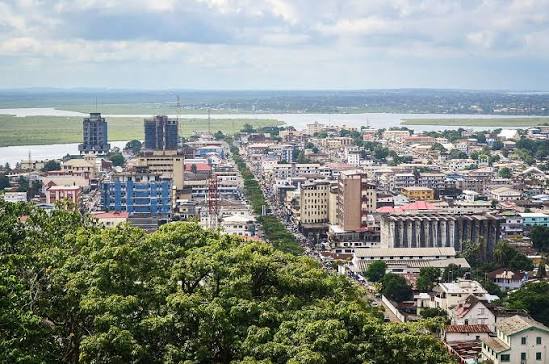
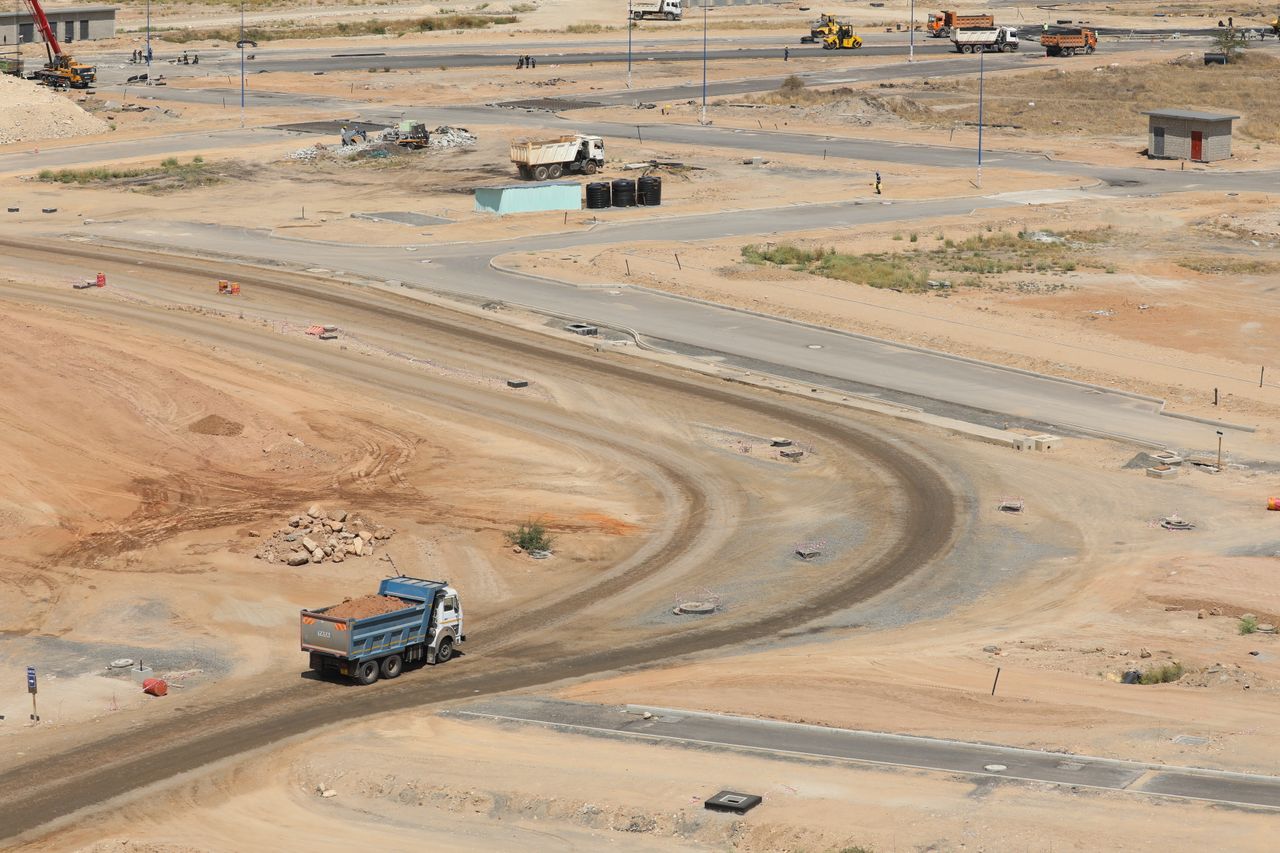
The DRC is Africa’s second-largest country by land area, and its transport infrastructure reflects both the scale of the challenge and decades of underinvestment outside major urban centers. Kinshasa, Lubumbashi, Goma, and a handful of other cities have reasonably maintained main roads, but conditions deteriorate quickly once you leave city centers, particularly during the rainy season that runs roughly from September through May. For companies operating mining concessions, construction sites, or field projects outside the capital, this isn’t a minor inconvenience. It directly shapes what kind of vehicle you need and who should be driving it.
This is also a country where self-drive rental options are genuinely limited, even in Kinshasa. Most international and local providers default to offering a vehicle with a driver rather than handing over the keys, and for good reason: local drivers know which roads are passable, how to navigate informal checkpoints, and how to handle the kind of situations that catch first-time visitors off guard. For business travelers, this isn’t a downgrade from self-drive convenience. It’s usually the safer and more efficient option.
Understanding the Different Types of Vehicle Rental in DRC
Foreign companies and professionals in the DRC typically need one of several distinct rental categories, depending on the nature of their work.
Executive and Chauffeur-Driven Vehicle Rental
For business executives, diplomats, and corporate teams moving between meetings, airports, and hotels in Kinshasa or Lubumbashi, executive vehicle rental with a professional driver is the standard choice. This eliminates the need to navigate unfamiliar city traffic, informal road rules, and language barriers, while providing a level of security and reliability that self-drive simply can’t match in most urban DRC settings.
4×4 and SUV Rental for Field and Project Work
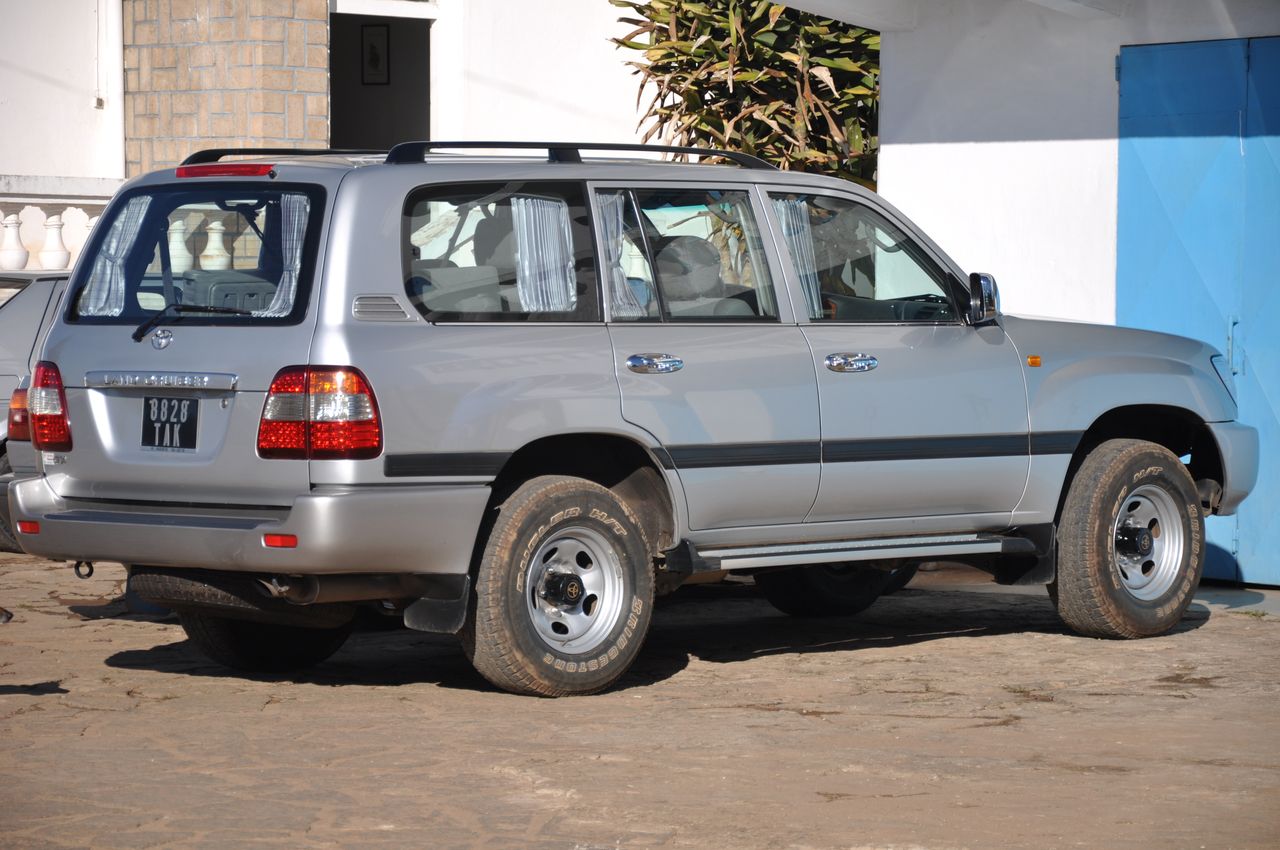
Companies working in mining, energy, agriculture, or infrastructure often need vehicles that can handle unpaved roads, river crossings, and terrain that becomes difficult or impassable during the rainy season. A four-wheel-drive SUV or pickup, ideally with an experienced local driver, is the practical standard for project sites outside the main cities, particularly around the Kivu region, Katanga’s mining belt, and rural access roads.
Commercial Fleet and Group Transport
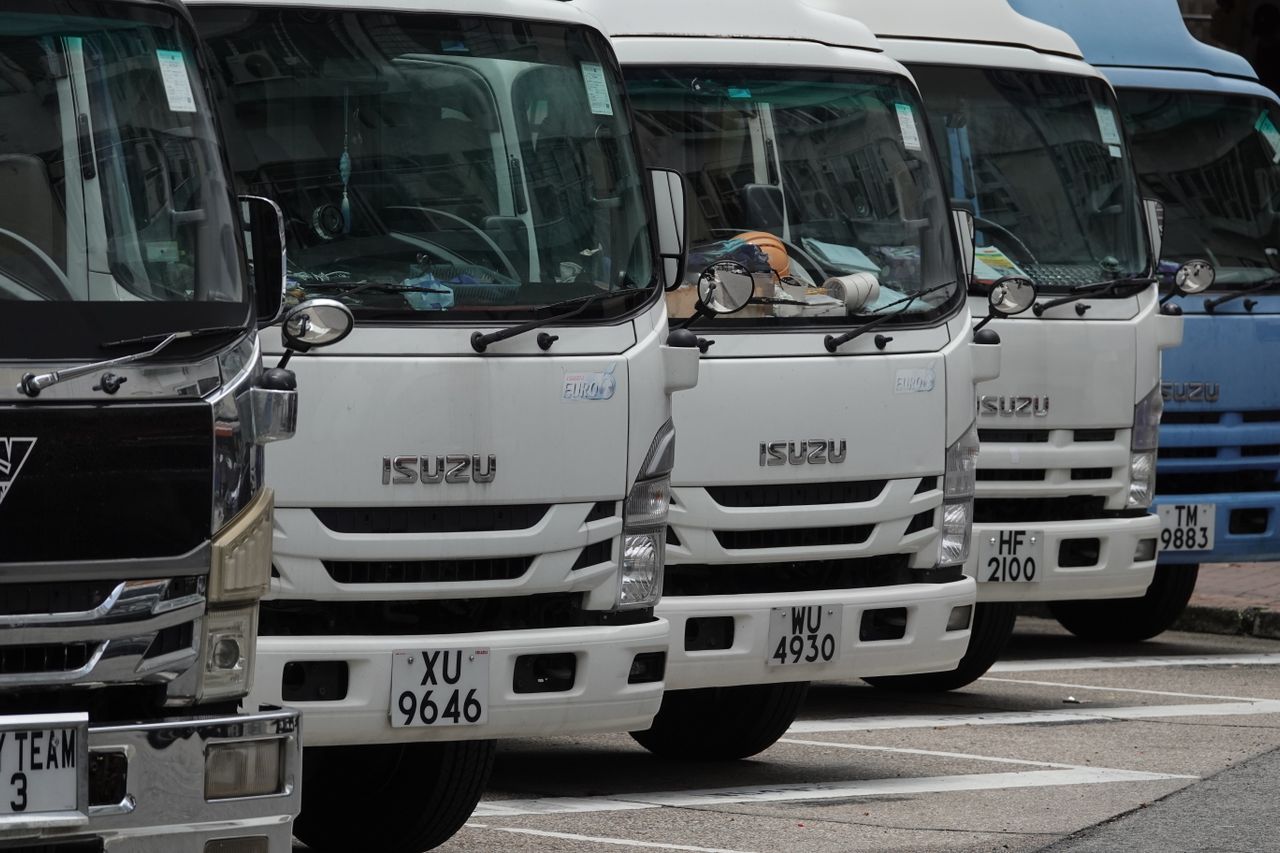
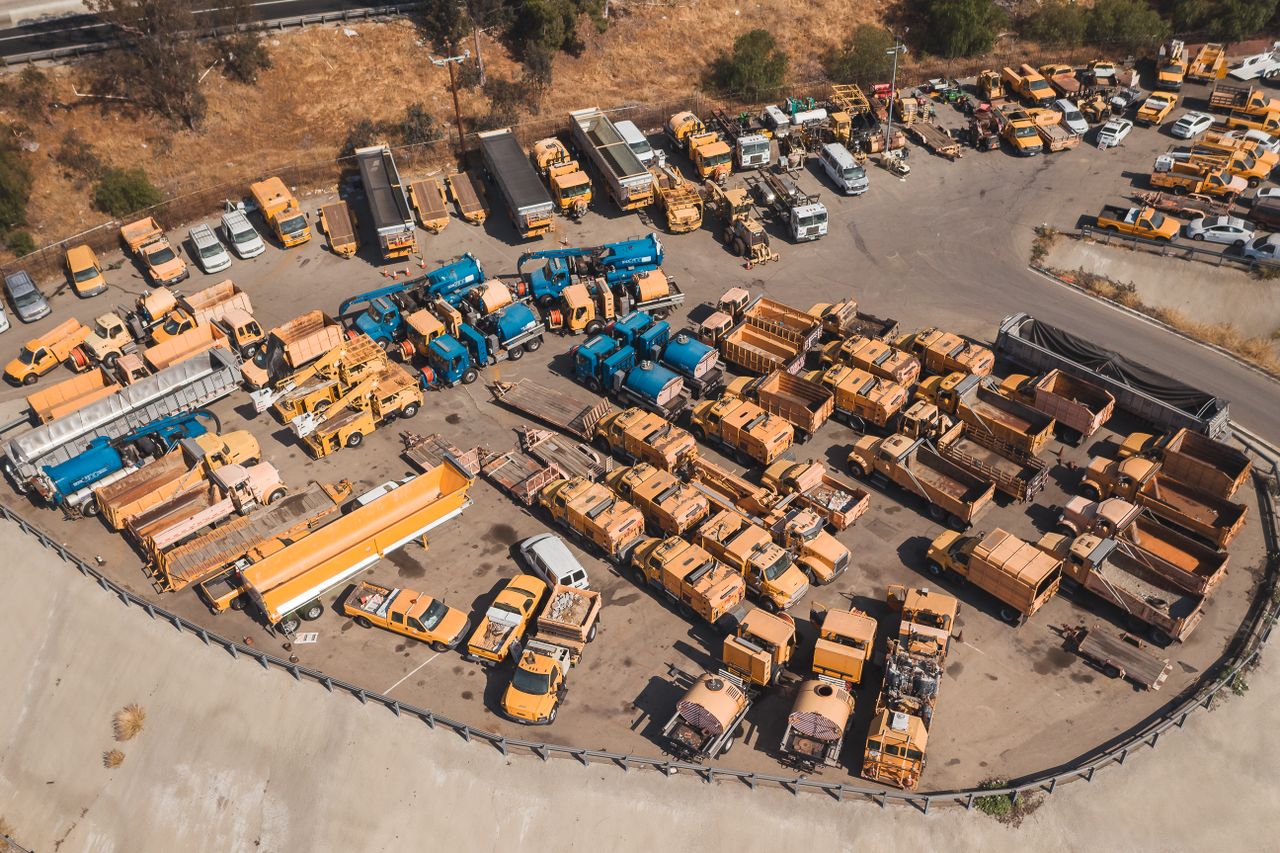
For companies managing larger teams, whether that’s a construction crew, an NGO delegation, or a corporate group visiting a project site, van or minibus rental provides group transport without the logistical complexity of coordinating multiple individual vehicles. This is especially useful for site visits, staff transport between accommodation and work locations, or moving equipment alongside personnel.
Airport Transfers
Given that most international arrivals land at N’Djili International Airport in Kinshasa, a well-organized airport transfer is often the first practical need for any visiting executive or new expatriate hire. A pre-arranged transfer removes the uncertainty of navigating airport logistics and informal taxi arrangements immediately after a long international flight.
Documentation and Requirements for Renting a Car in the DRC
Whether you’re arranging a self-drive rental or, more commonly, a chauffeur-driven vehicle, foreign nationals should have the following in order before requesting a rental in the DRC:
- A valid passport
- A valid entry visa or residence permit
- An International Driving Permit, if any self-drive arrangement is being considered
- A local contact address or company reference, particularly for longer-term corporate rental agreements
- Proof of onward accommodation or project location, useful for arranging pickup logistics
According to the UK Foreign, Commonwealth & Development Office’s travel advice for the DRC, anyone planning to drive in the country needs a 1968 International Driving Permit, since it cannot be obtained after arrival and self-drive options remain limited even in Kinshasa. Travelers from the United States can apply for an International Driving Permit through AAA, the organization authorized by the U.S. Department of State to issue them, well before departure.
Choosing Between Self-Drive and Chauffeur-Driven Rental
For most foreign professionals, the decision between self-drive and chauffeur-driven rental in the DRC comes down to three practical factors.
Familiarity With Local Conditions
Even experienced drivers accustomed to challenging road conditions elsewhere in Africa often find DRC-specific factors, from informal checkpoints to unmarked road hazards, easier to manage with a local driver who navigates them daily. This is less about driving skill and more about local knowledge that simply can’t be replicated on a short business trip.
Security Considerations
Business travelers moving between meetings, hotels, and offices in Kinshasa benefit from a driver who understands which routes and areas warrant extra caution at different times of day. A chauffeur-driven vehicle also allows an executive to remain inside a locked vehicle during transit rather than managing navigation and security simultaneously.
Time Efficiency
For a short business trip, project audit, or investor visit, a chauffeur-driven vehicle frees up time that would otherwise go toward navigation, fuel logistics, and route planning, allowing visiting staff to focus on the purpose of their trip rather than the logistics of getting there.
Self-drive rental remains a viable option for longer-term expatriate residents who have obtained a valid local or international driving permit and have built familiarity with specific routes, typically within Kinshasa or another primary city where they’re based full-time.
Practical Considerations Before Renting a Vehicle
A few additional factors shape a successful rental experience in the DRC, particularly for anyone new to operating in the country.
Fuel and Route Planning
Fuel stations are less consistent outside major cities, and rental arrangements for field or project work should factor in fuel logistics as part of the planning conversation rather than assuming stations will be readily available along the route.
Seasonal Timing
Rainy season conditions, generally from September through May, can make unpaved roads outside major cities difficult or temporarily impassable. Companies planning fieldwork during this period should build extra time into travel schedules and prioritize four-wheel-drive vehicles.
Cross-Border Travel
Companies operating near the DRC’s borders with neighboring countries such as Rwanda, Zambia, or the Republic of Congo should confirm in advance whether a rental provider supports cross-border travel, since this typically requires additional documentation and fees that aren’t part of a standard domestic rental agreement.
Why Work With a Local Partner for Car Rental in DRC
Live and Work Africa provides executive vehicle rental, 4×4 and SUV hire, and commercial fleet services for foreign companies, NGOs, and expatriate professionals operating in the DRC. Because our transport services sit alongside our company registration and immigration work, clients relocating staff or setting up a DRC subsidiary can arrange reliable, chauffeur-driven transport from the moment their team lands in Kinshasa, without having to separately vet an unfamiliar local rental provider.
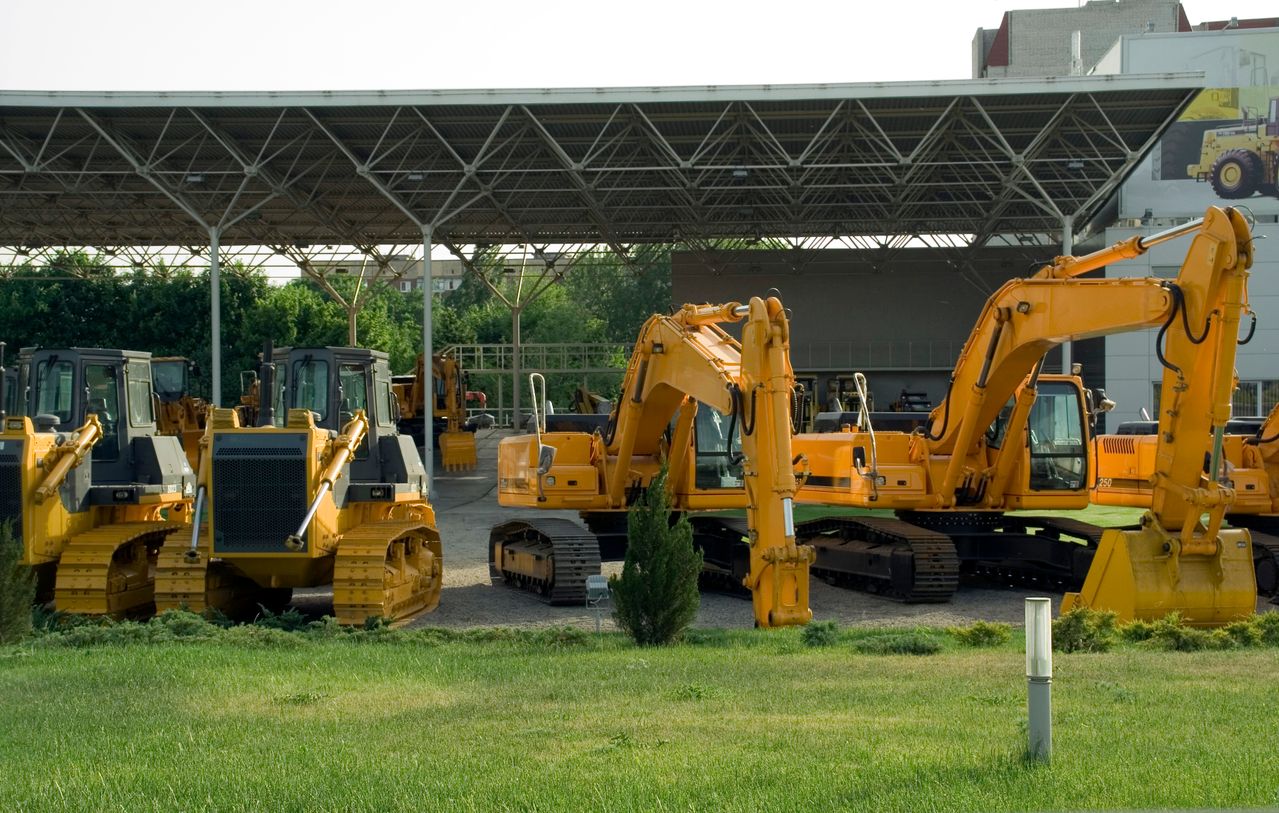
For project teams working further afield, our fleet includes vehicles suited to mining and construction site access, along with drivers experienced in navigating DRC’s more challenging provincial routes.
Frequently Asked Questions
Is self-drive car rental available in the DRC?
Self-drive options exist in Kinshasa but remain limited, and most providers, including those serving business travelers, default to chauffeur-driven vehicles due to local road conditions and navigation challenges.
Do I need an International Driving Permit to rent a car in DRC?
Yes, if you plan to drive yourself. Foreign nationals should obtain a 1968 International Driving Permit before arrival, since it cannot be issued locally once you’re in the country.
What type of vehicle is best for travel outside Kinshasa?
A four-wheel-drive SUV or pickup is generally recommended for travel outside major cities, particularly during the rainy season when unpaved roads can become difficult to navigate.
Can I arrange an airport transfer in advance for my arrival in Kinshasa?
Yes. Pre-arranging an airport transfer is common practice for business travelers and new expatriate hires and removes the uncertainty of navigating transport logistics immediately after arrival.
Is chauffeur-driven rental more expensive than self-drive?
Chauffeur-driven rental typically costs more than a theoretical self-drive rate, but given the limited availability of self-drive options and the local knowledge a driver provides, most business travelers find it the more practical and often more cost-effective choice overall.
Need Reliable Transport for Your Team in the DRC?
Whether you’re relocating executives, running a project team, or need dependable transport from the moment you land in Kinshasa, Live and Work Africa’s vehicle rental services are built for the realities of doing business in the DRC. Contact us today to arrange transport for your team.