
Heavy Equipment Rental
Liberia – Heavy equipment is an essential part of many mining, construction, infrastructure, road development, agriculture, and industrial projects in Liberia. Excavators, bulldozers, wheel loaders, motor graders, dump trucks, cranes, and compactors are commonly used for excavation, earthmoving, material handling, site preparation, transportation, and road construction.
For businesses operating in Liberia, purchasing an entire fleet of heavy machinery is not always practical. Equipment ownership requires substantial capital investment and creates additional responsibilities for maintenance, storage, transportation, repairs, insurance, and fleet management.
Heavy equipment rental in Liberia provides businesses with a flexible way to access machinery according to project requirements. Instead of purchasing equipment that may only be needed for a particular construction phase or mining operation, companies can rent machinery for the required period.
Liberia’s mining sector is particularly relevant to the demand for heavy machinery. According to the World Bank, Liberia’s economy expanded by 5.1% in 2025, driven in part by a strong rebound in mining. Mining sector growth reached 17% in 2025, while iron ore production increased significantly.
With mining, infrastructure, transportation, and other investment activities continuing to develop, access to suitable heavy machinery can be an important consideration for project planning.
Why Rent Heavy Equipment in Liberia?
Heavy equipment rental can provide several advantages for companies managing project-based operations.
Reduce Upfront Capital Investment
Purchasing heavy machinery can require a significant initial investment. An excavator, bulldozer, wheel loader, or large dump truck can represent a substantial capital commitment before a project even begins.
Rental allows companies to use equipment without purchasing the machine outright. This can help businesses allocate capital to other project requirements, including labor, materials, transportation, and site development.
Match Equipment to Project Requirements
Different projects require different machinery.
A construction project may require an excavator and compactor, while a mining operation may need larger excavators, bulldozers, loaders, and haulage equipment.
Rental allows companies to select machinery according to the specific work being performed rather than maintaining every type of equipment in their own fleet.
Increase Operational Flexibility
Project schedules and equipment requirements can change. A company may need additional machinery during a particular construction phase or require specialized equipment for a limited period.
Depending on the provider, businesses may be able to arrange short-term, monthly, or longer-term rental agreements.
Reduce Fleet Management Responsibilities
Owning machinery involves regular servicing, repairs, spare parts, inspections, storage, and equipment depreciation.
With a suitable rental agreement, some maintenance and technical-support responsibilities may be managed by the equipment provider, allowing project teams to focus more closely on their core operations.
What Heavy Equipment Can Be Rented in Liberia?
The right machinery depends on the type of project, terrain, material, operating conditions, and required capacity.
Excavators
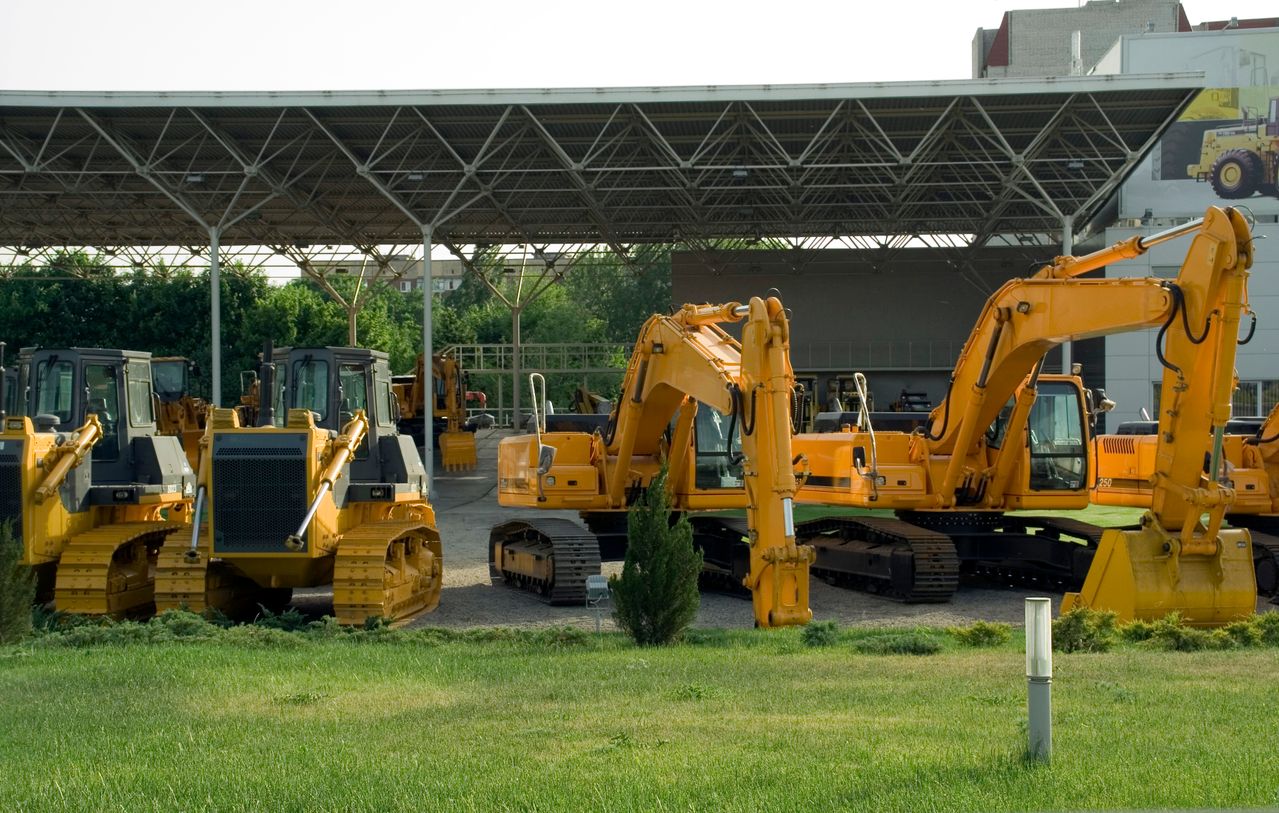
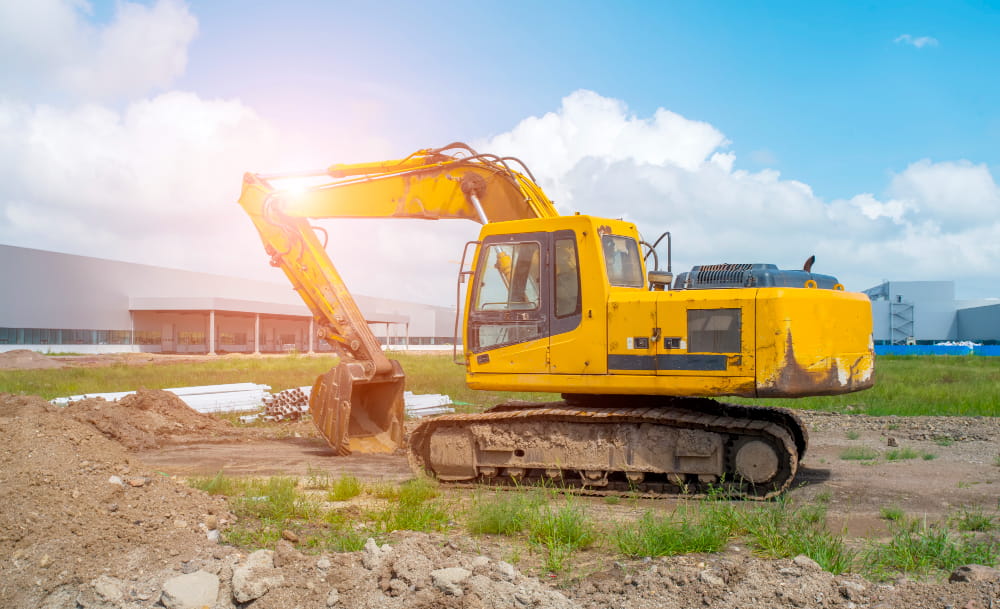
Excavators are widely used for digging, trenching, earthmoving, demolition, foundation work, drainage, and material handling.
Construction companies can use excavators for site preparation and excavation, while mining operations may require larger machines for more demanding earthmoving activities.
When selecting an excavator, businesses should consider operating weight, bucket capacity, digging depth, hydraulic performance, attachments, and site conditions.
Bulldozers
Bulldozers are designed to push and move soil, rock, debris, and other materials.
They can support land clearing, mine-site preparation, road construction, embankment work, and large-scale earthmoving.
The appropriate bulldozer depends on the terrain, material, blade configuration, operating weight, and project requirements.
Wheel Loaders
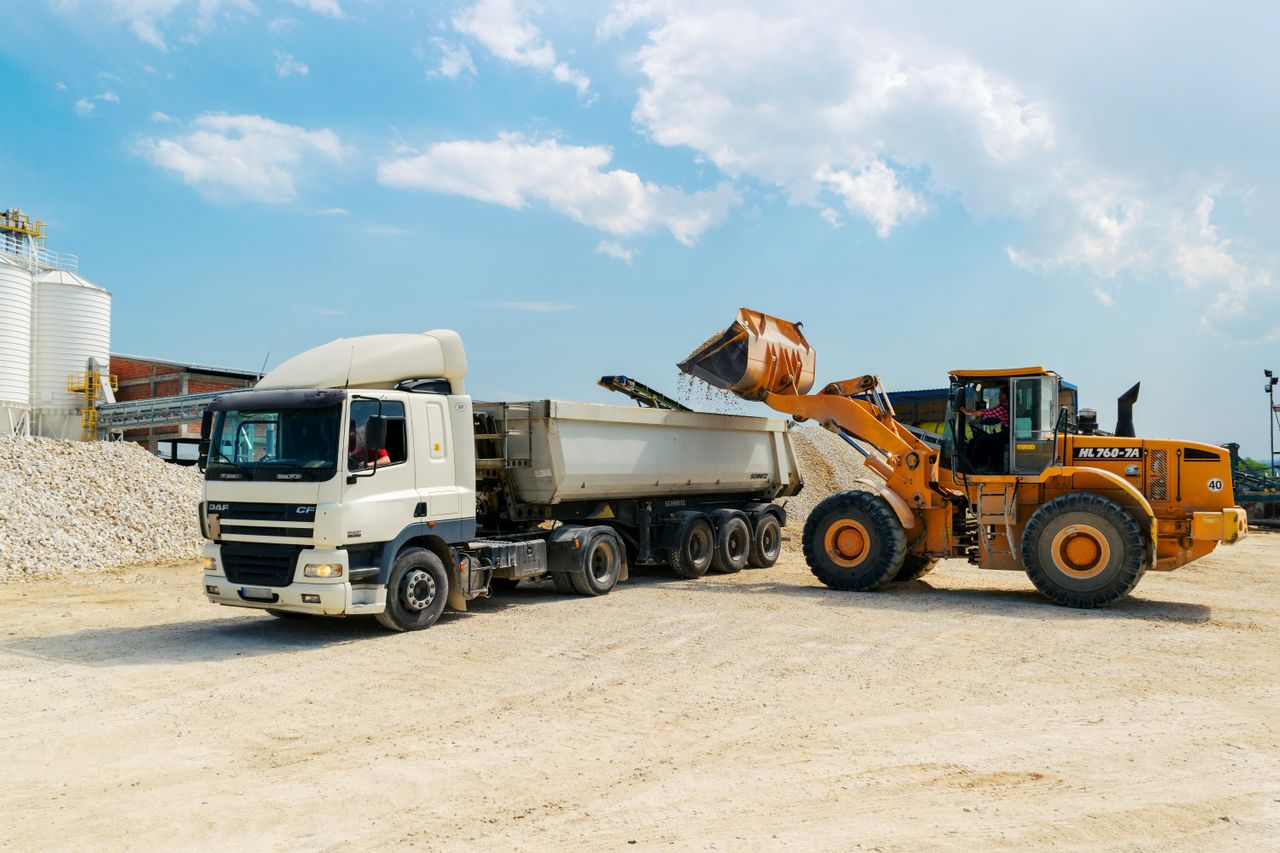
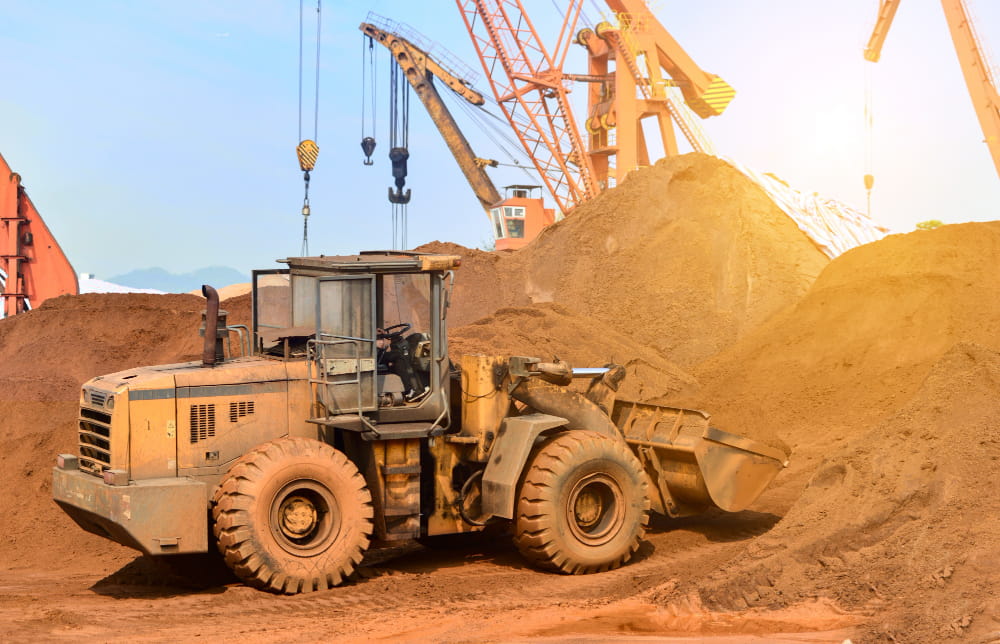
Wheel loaders are used to load, move, and handle materials such as soil, aggregate, rocks, and construction materials.
They can support mining, quarrying, construction, and infrastructure projects where materials need to be moved efficiently around a site.
Businesses should evaluate bucket capacity, lifting capability, operating weight, fuel requirements, and site conditions before selecting a loader.
Motor Graders
Motor graders are used primarily for grading, leveling, road construction, drainage preparation, and maintaining access roads.
For mining and infrastructure projects in Liberia, graders can be particularly useful for maintaining internal roads and preparing surfaces for further construction.
Dump Trucks
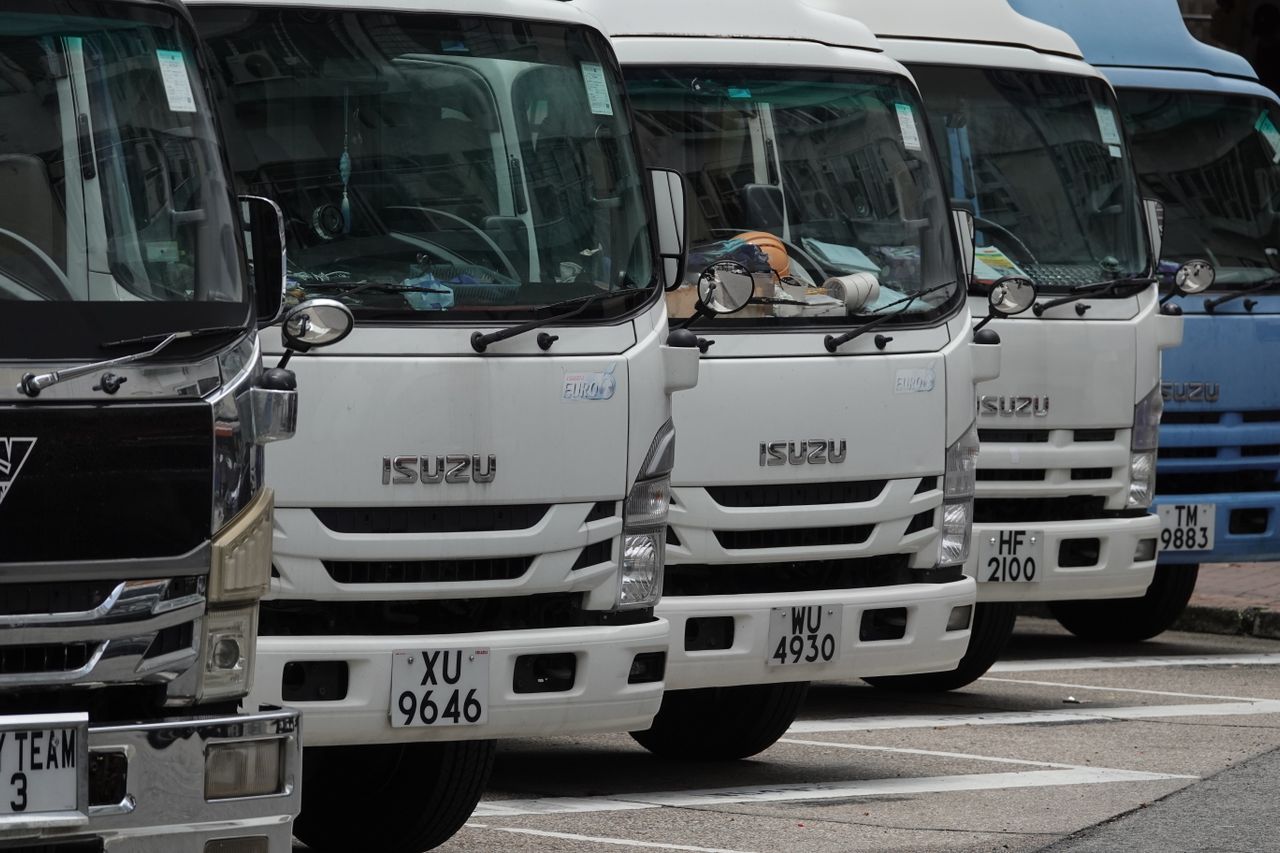
Dump trucks transport large quantities of soil, rock, ore, aggregate, and other materials.
Mining and construction projects may require heavy-duty trucks capable of handling demanding terrain and repeated hauling cycles.
When selecting a dump truck, companies should consider payload capacity, road conditions, fuel consumption, tire requirements, and haul distance.
Rollers and Compactors
Rollers and compactors are used to increase the density and stability of soil, gravel, and asphalt.
Road construction projects may require different types of compactors depending on the material being processed and the required surface specifications.
Cranes
Mobile cranes can support industrial construction, infrastructure projects, equipment installation, structural work, and heavy lifting.
Before renting a crane, companies should determine the required lifting capacity, working radius, boom configuration, ground conditions, and access to the worksite.
Industries That Use Heavy Machinery in Liberia
Heavy equipment supports several sectors of Liberia’s economy and development activities.
Mining
Mining is one of the most important applications for heavy machinery in Liberia.
Iron ore and gold are important mineral commodities, and mining activity has been a major contributor to recent economic growth. The World Bank reported that mining output expanded strongly in 2025, while iron ore production increased substantially.
Mining projects can require excavators, bulldozers, wheel loaders, graders, dump trucks, compactors, and other machinery for excavation, material handling, site preparation, road construction, and mine infrastructure.
Companies involved in mining should also review Liberia’s applicable regulatory requirements. The Ministry of Mines and Energy of Liberia oversees the country’s mineral and energy sectors and provides official information concerning mining administration, licensing, compliance, and sector regulations.
Construction and Infrastructure
Construction projects can require heavy machinery throughout multiple stages, from clearing and excavation to grading, material handling, compaction, and final site preparation.
Infrastructure investment is also an important part of Liberia’s development agenda. The World Bank’s Liberia portfolio includes substantial investment across infrastructure sectors, including roads, water, and energy.
This creates potential equipment requirements for contractors and companies involved in civil engineering, public infrastructure, commercial development, and industrial construction.
Road Construction and Maintenance
Road projects typically require several types of machinery working together.
Excavators can support drainage and earthworks, bulldozers can prepare terrain, graders can shape road surfaces, loaders can handle aggregate, and rollers can compact the finished surface.
For projects outside major urban centers, transportation and equipment mobilization should be considered during the planning stage.
Agriculture and Land Development
Heavy equipment can also be used for agricultural and land-development projects.
Bulldozers and excavators may assist with land clearing, drainage, access roads, and site preparation, while loaders can move soil and other materials.
Agriculture remains an important part of Liberia’s economy, while broader economic-development strategies also emphasize diversification beyond mining.
How Much Does Heavy Equipment Rental Cost in Liberia?
There is no single rental price for heavy machinery in Liberia. The total cost depends on the equipment, rental period, project location, and operational requirements.
Important cost factors include:
- Equipment type and model
- Machine capacity
- Rental duration
- Project location
- Transportation and mobilization
- Operator requirements
- Fuel
- Maintenance
- Insurance
- Attachments
- Site conditions
For example, renting an excavator for a short construction project near Monrovia can have different costs from supplying multiple machines to a remote mining site.
Transportation can also significantly affect the total rental cost when machinery must be mobilized over long distances or to locations with limited road access.
For this reason, companies should request a project-specific quotation rather than relying on a general daily rental rate.
Heavy Equipment Rental in Monrovia and Mining Areas
Project location is an important factor when arranging heavy machinery in Liberia.
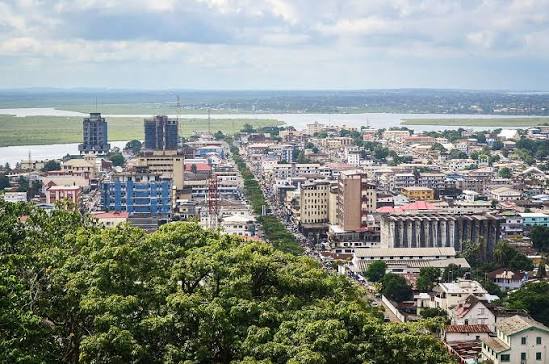
Monrovia is the country’s major commercial center, while mining and industrial operations extend into several counties. Projects outside major urban areas may require additional planning for equipment transportation, fuel supply, maintenance, and technical support.
Companies should provide the rental provider with the exact project location, road access conditions, expected operating environment, and required equipment as early as possible.
This allows the provider to assess mobilization requirements and determine whether the selected equipment is suitable for the site.
For mining operations, equipment planning should also consider the relationship between mine sites, roads, processing facilities, and ports. The Ministry of Mines and Energy’s 2025 activities included technical oversight of proposed mining-related port infrastructure, demonstrating the connection between mineral operations and supporting infrastructure.
What to Check Before Renting Heavy Equipment in Liberia
Choosing equipment based only on rental price can create operational problems. The machine must be appropriate for the task, terrain, workload, and project schedule.
1. Define the Equipment Application
Determine exactly what the machine needs to accomplish.
Consider the type of material, required capacity, terrain, expected working hours, project duration, and environmental conditions.
For example, an excavator used for general construction may have different requirements from one used for demanding mining operations.
2. Check Machine Specifications
Review the machine’s operating weight, engine power, bucket or blade capacity, dimensions, attachments, and operating limits.
The equipment should have sufficient capacity for the intended work without being unnecessarily oversized.
3. Inspect Equipment Condition
Before accepting the equipment, check its overall mechanical condition.
Important areas include the engine, hydraulic systems, tires or tracks, attachments, brakes, controls, safety systems, and visible signs of excessive wear.
4. Confirm Maintenance Support
Clarify who is responsible for scheduled servicing, emergency repairs, spare parts, and downtime.
For remote mining or infrastructure projects, reliable maintenance support can be particularly important because equipment downtime may affect several interconnected project activities.
5. Clarify Transportation and Mobilization
Heavy equipment often requires specialized transportation.
The rental agreement should clearly define responsibility for mobilization, demobilization, loading, unloading, transportation costs, and any related requirements.
6. Determine Operator Requirements
Some equipment may be rented with an operator, while other arrangements provide machinery only.
If an operator is required, businesses should clarify operator qualifications, working hours, accommodation, transportation, and other responsibilities before signing the contract.
Rental vs. Buying Heavy Equipment in Liberia
The decision to rent or purchase equipment depends on project duration, expected utilization, capital availability, and fleet-management capabilities.
Rental can be suitable when:
- Equipment is needed for a limited project
- Machinery requirements change between project phases
- Specialized equipment is required temporarily
- The company wants to reduce upfront capital expenditure
- The business is entering the Liberian market
Purchasing may be considered when machinery will be used continuously over a long period and the company has the resources and infrastructure needed for maintenance and fleet management.
For project-based businesses, rental provides an opportunity to match equipment availability with actual operational requirements.
How to Choose a Heavy Equipment Rental Provider in Liberia
A suitable provider should be able to understand the project’s operational and logistical requirements.
Before entering a rental agreement, businesses should ask about:
- Equipment availability
- Machine specifications
- Maintenance records
- Operator availability
- Transportation arrangements
- Fuel responsibilities
- Insurance coverage
- Repair and replacement procedures
- Rental duration
- Extension and return conditions
It is also important to provide detailed information about the worksite. A provider that understands the project’s location, terrain, workload, and schedule can better determine the appropriate machinery and logistics.
Heavy Equipment Rental for Liberia’s Mining and Infrastructure Projects
Liberia’s recent economic performance highlights the importance of mining, while infrastructure investment and economic diversification remain important development priorities. The World Bank has identified infrastructure constraints, access to finance, and diversification as continuing issues affecting private-sector development.
For contractors, mining companies, infrastructure developers, and industrial businesses, access to reliable machinery can therefore be an important operational consideration.
Rather than purchasing every machine required for a project, businesses can consider rental arrangements that align equipment with project duration, workload, location, and budget.
Frequently Asked Questions
1. What heavy equipment can be rented in Liberia?
Common equipment includes excavators, bulldozers, wheel loaders, motor graders, dump trucks, cranes, rollers, compactors, and other machinery used for mining, construction, roadwork, and industrial projects.
2. How much does heavy equipment rental cost in Liberia?
The cost depends on equipment type, machine capacity, rental duration, project location, transportation, operators, fuel, maintenance, and insurance. A customized quotation is recommended for an accurate estimate.
3. Can I rent heavy equipment for mining projects in Liberia?
Yes. Heavy machinery can support excavation, material handling, site preparation, haul-road construction, infrastructure development, and other mining-related activities. Mining operations should comply with applicable Liberian regulations.
4. Can heavy equipment be rented with an operator?
Depending on the provider and equipment, machinery may be available with or without an operator. Operator requirements should be confirmed before finalizing the rental agreement.
5. Can companies rent heavy machinery for long-term projects in Liberia?
Depending on equipment availability and provider terms, companies may arrange longer-term rental agreements. Maintenance, transportation, operators, fuel, and extension terms should be clearly defined in the contract.
Get Heavy Equipment for Your Liberia Project
Whether your business is involved in mining, construction, road development, infrastructure, agriculture, or industrial operations, choosing the right machinery is an important part of project planning.
Live and Work Africa can help businesses explore heavy equipment solutions for projects in Liberia based on equipment type, project location, rental period, and operational requirements.
Tell us what equipment you need, where your project is located, how long you need the machinery, and what the equipment will be used for.
Contact Live and Work Africa today to discuss a heavy equipment rental solution for your Liberia project.